
Lack of access to period products puts millions of women at risk of health issues, stigma and exclusion. This is period poverty.
One solution? Reusable pads.
What difference do they make? Ethiopian women who participated in a CARE-supported project are speaking out.
Being excluded
In Ethiopia, 70 per cent of women cannot manage their periods in safe and dignified conditions. The reasons are many: expensive or unavailable period products, inadequate toilets and a lack of health education.
For many of the country’s 50 million girls and women, having their period means missing school or work, sickness or infection, hiding in shame and experiencing teasing or exclusion due to stigma.
A simple solution with a big impact
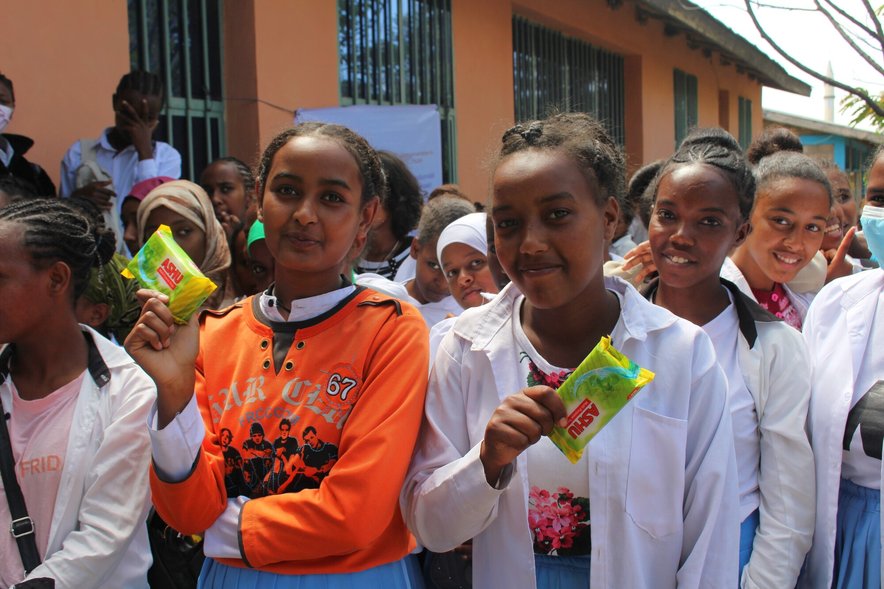
To address this silent crisis, CARE launched a project in Adama, Ethiopia’s third-largest city, distributing over 30,000 reusable menstrual kits. Over half of the kits were given to schools. Additional kits were handed out at community and health centres, as well as workplaces.
At first, I was unsure, but after trying the reusable pad, I found it more comfortable and healthier. This product should be available to everyone.”
– Beza, a high school student
Why reusable pads?
These reusable period products offer three key benefits:
- They’re affordable
Washable pads mean that there is no need to go out and buy disposable products each month.
- They’re safe
Made without chemicals, reusable pads are safer for women’s health.
- They’re eco-friendly
Reusable pads reduce waste compared to single-use period products, which often contain plastic.
The result? More freedom, safety and dignity for women.
“I can’t afford disposable pads. The reusable ones let me keep going to school,” says Misgana, a high school senior.
Sara, a student and mentor in the girls’ club, shares her journey to break the stigma around menstruation: “I’ve witnessed a transformation in my friends who used to be shy and ashamed to talk about their periods. Today, thanks to our discussions, they’re more open and outspoken about it.”
Supporting health and wellbeing
In addition to distributing pads, CARE also supports local producers to ensure products are continuously available and to help build networks in the local market.
CARE ensures that this work will have a much larger and lasting impact by supporting educational sessions in schools and health centres.
“By 7:30 in the morning, our health centre’s waiting room is already full,” says Ashibir Kita, the deputy director of a local clinic.
“We take that time to offer 20-minute talks on menstruation, covering topics like PMS [Premenstrual syndrome] symptoms, pain relief, the different types of menstrual products and how to dispose of them. We also challenge taboos.”
Men are included in the effort—fathers, brothers, teachers, coworkers.
“Involving men is essential. Many women have no income, so men must step up and help them access safe menstrual products.”
Supporting 400,000 people and counting
By reaching nearly half a million people, especially through awareness activities, this project has turned a health issue into a catalyst for gender equality.
Access to reusable pads isn’t just about menstrual health—it’s about giving millions of women a chance to learn, to work and to live fully.
Let’s end period poverty together
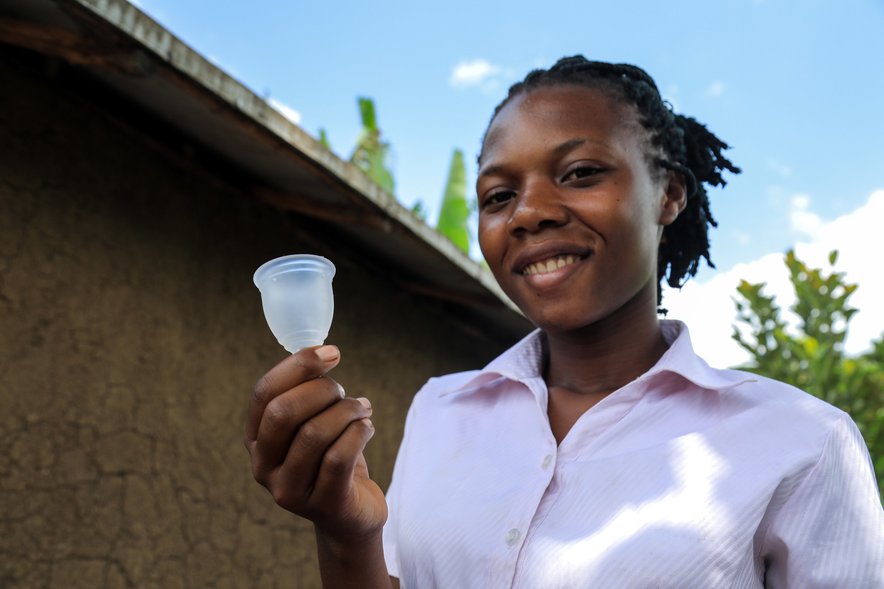
CARE and our partners around the world are working towards a more period-positive world, tackling stigma and engaging communities so we can reduce period poverty and shame and ensure people who get their period feel safe, healthy and supported.
This not only improves health and happiness for people who get their period, but for EVERYONE.
Will you join us? Add your name today to join the fight against period poverty


