
Since 2016, CARE has published an annual Crisis Report on the world’s ten most neglected humanitarian crises. The report has evolved with changing contexts. Previous reports emphasized overlooked suffering or reflected a call to action. Today, CARE's Crisis Report focuses more strongly on analysis and solutions.
Foreword by Dr. Andrea Barschdorf-Hager, CARE Austria's chief executive officer
This year marks a milestone: for the tenth time, CARE is publishing its Crisis Report on the 10 humanitarian crises that received the least media attention in the previous year. The 2025 media analysis paints a sobering picture: around 43 million people are affected by crises that remain largely invisible to the global public.
Conflicts, hunger, and extreme weather events destroy lives in countries such as the Central African Republic, Zambia, and Honduras. Yet other crises dominate global media coverage. Of five million analyzed online articles on humanitarian emergencies, nearly half focus on the conflict in Gaza alone.
When crises remain invisible, funding often fails to materialize. In 2025, global budgets for humanitarian aid and development cooperation were cut, resulting in less food, less medical care, and less hope for people in regions experiencing crisis.
With this tenth edition, we also look back and ask: what has changed over the past decade regarding how forgotten crises are perceived? What lies ahead?
Behind every statistic is a human being. This report is a call to the global community to change priorities and ensure these voices are heard.
10 Years of the CARE Crisis Report
Retrospective: 2016–2025
For ten years, the CARE Crisis Report has tracked not only the world’s most urgent humanitarian crises, but also how we talk about them. Even its titles tell a story. The first report was titled Suffering in Silence, placing the focus on the overlooked adversity experienced by people in humanitarian crises. This was followed by Breaking the Silence, a title emphasizing momentum, strength, and the demand for greater visibility.
Today, the report is simply called the CARE Crisis Report. This shift places analysis at the center: data, facts, and a clearly documented insight that was true from the very beginning and remains true today. Things we do not hear or read about often appear not to exist.
What has changed for the better?
In our society, awareness of the power of language has grown. We engage in debates about equality; question discriminatory patterns; and increasingly confront structural racism, diversity, colonial mindsets, and global responsibility. Movements such as Fridays for Future, #MeToo, and the strengthening of Black Lives Matter have shown over the past ten years that social attitudes can change — that perspectives can broaden and new awareness can emerge.
CARE calls for exactly this kind of shift in how humanitarian crises are viewed. Media coverage often still begins only when the scale of a catastrophe is large enough to generate high reach. From a journalistic perspective, this is understandable, but it does little justice to those affected. While public attention moves on quickly, their hardship remains.
At the same time, the media landscape itself has evolved. Constructive journalism, which focuses on solutions rather than solely on negative reporting, is gaining importance. Through social media, the voices of those affected are increasingly heard directly — authentic and no longer filtered through intermediaries. Modern technologies also make it possible to gain insights into crisis regions and establish direct contact even when journalists cannot be on the ground.
This creates greater proximity and interaction on equal footing. Women in particular — who often take on greater responsibility in crises and disasters, stabilize families, and organize communities — are becoming more visible in their leadership roles.
Now it is crucial to continue strengthening this development. Being seen is a matter of dignity and a prerequisite for people in humanitarian crises to receive the support they need. Where there is no attention, funding for change is often lacking as well.
With the tenth edition of the CARE Crisis Report, we therefore aim once again to help generate attention. Let us look closely, so that people in humanitarian crises are not forgotten and new perspectives can emerge.
Being seen is a matter of dignity.
Media analysis
CARE’s analysis for the report is based on access to approximately 345,000 online media outlets worldwide. CARE first compiles a list of all humanitarian crises worldwide that affect more than one million people. Then, CARE examines how frequently each of these crises was reported during the year. After the total number of media articles — five million in total — has been identified, the crises are ranked. This ranking makes it possible to determine which crises received particularly little media attention and which received the most.
The media are fond of covering trivial moments and the exploits of billionaires, but, critically, when stories like these go untold, resources dry up. U.S. funding for humanitarian crises has been decreasing for years. In 2025, global aid budgets were suddenly decimated. The result: programs were terminated, food rations halved, critical health supplies ran out, and women-led organizations — the backbone of local response — are struggling.
The decision to cover a crisis in the media often comes down to its perceived international importance, high security risks, and lack of local resources needed. When those most affected by crises can share their stories, your attention — and advocacy — matter.
Michelle Nunn, President and CEO of CARE, puts it plainly: “CARE’s work is grounded in a simple conviction: we must be present where needs are greatest, whether or not the world is watching. Many people suffer with little or no attention. Yet every life is equal, and we have a moral obligation not only to care, but to turn that care into action.”
Number of online articles (January 1 – September 30, 2025)
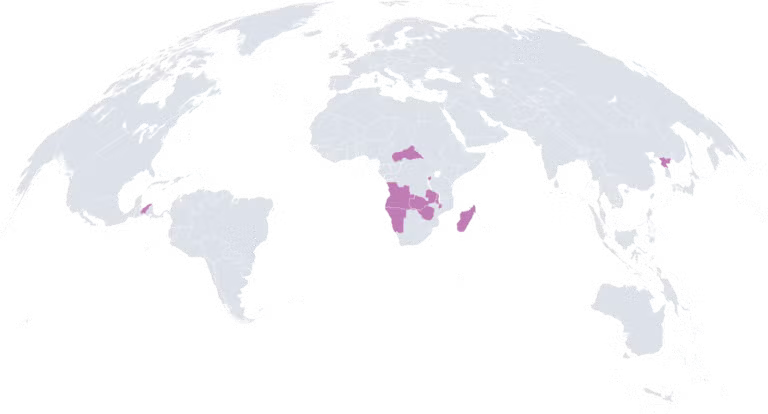
- Central African Republic — 1,532 articles
- Namibia — 2,379 articles
- Zambia — 2,980 articles
- Malawi — 3,436 articles
- Honduras — 3,533 articles
- North Korea — 4,075 articles
- Angola — 4,132 articles
- Burundi — 5,879 articles
- Zimbabwe — 5,905 articles
- Madagascar — 6,210 articles
Recommendations
Protect press freedom: Journalists need safe, free working conditions to report independently and effectively counter disinformation.
Enable first-hand reporting: Direct contact with people in crisis regions creates authentic reporting. Local and international aid organizations can act as intermediaries to facilitate access.
Secure resources: Sufficient financial and structural capacity is essential for high-quality journalism.
Promote critical journalism: Through subscriptions, donations, and reflective media consumption, readers can strengthen independent journalism and challenge stereotypical narratives.
Let those affected tell their own stories: The visible and audible stories of women, girls, and marginalized groups broaden perspectives and can be shared via digital channels even without an on-site presence.
Strengthen local organizations: Local partner organizations work directly with affected communities and enrich reporting through their contextual knowledge and expertise.
Make female leadership visible: Women as key actors in crisis management deserve greater visibility and recognition for their leadership roles.
Impact of aid cuts
Funding for humanitarian crises has been declining for years, but 2025 began with global aid budgets being suddenly decimated. The deadly impact of these cuts in many countries is now becoming clear, with communities facing humanitarian crisis being hit hardest. Hunger is rising as we must halve our aid food rations. Testing kits needed to prevent further harm and deadly disease for survivors of rape and other conflict-related sexual violence have run out.
Many of our specialist women-led partner organizations that are rooted in their communities and best-placed to respond to the needs of women in crisis are at risk of closing down completely. All over the world, relief projects are ending and experienced aid workers are losing their jobs.
For communities struggling to survive crises outside of the spotlight, like those in this report, this dramatic reduction in funding for humanitarian relief increases their suffering.
1. Central African Republic
- One in five Central Africans displaced
- 80 percent of the population affected by poverty
- 2.4 million people need humanitarian aid
- Central African Republic — 1,532 articles
- Namibia — 2,379 articles
- Zambia — 2,980 articles
- Malawi — 3,436 articles
- Honduras — 3,533 articles
- North Korea — 4,075 articles
- Angola — 4,132 articles
- Burundi — 5,879 articles
- Zimbabwe — 5,905 articles
- Madagascar — 6,210 articles
Recommendations
Protect press freedom: Journalists need safe, free working conditions to report independently and effectively counter disinformation.
Enable first-hand reporting: Direct contact with people in crisis regions creates authentic reporting. Local and international aid organizations can act as intermediaries to facilitate access.
Secure resources: Sufficient financial and structural capacity is essential for high-quality journalism.
Promote critical journalism: Through subscriptions, donations, and reflective media consumption, readers can strengthen independent journalism and challenge stereotypical narratives.
Let those affected tell their own stories: The visible and audible stories of women, girls, and marginalized groups broaden perspectives and can be shared via digital channels even without an on-site presence.
Strengthen local organizations: Local partner organizations work directly with affected communities and enrich reporting through their contextual knowledge and expertise.
Make female leadership visible: Women as key actors in crisis management deserve greater visibility and recognition for their leadership roles.
Impact of aid cuts
Funding for humanitarian crises has been declining for years, but 2025 began with global aid budgets being suddenly decimated. The deadly impact of these cuts in many countries is now becoming clear, with communities facing humanitarian crisis being hit hardest. Hunger is rising as we must halve our aid food rations. Testing kits needed to prevent further harm and deadly disease for survivors of rape and other conflict-related sexual violence have run out.
Many of our specialist women-led partner organizations that are rooted in their communities and best-placed to respond to the needs of women in crisis are at risk of closing down completely. All over the world, relief projects are ending and experienced aid workers are losing their jobs.
For communities struggling to survive crises outside of the spotlight, like those in this report, this dramatic reduction in funding for humanitarian relief increases their suffering.
1. Central African Republic
- One in five Central Africans displaced
- 80 percent of the population affected by poverty
- 2.4 million people need humanitarian aid
War and displacement
The Central African Republic has many treasures, including two UNESCO World Heritage Sites: the Sangha Trinational protected area with dense rainforests and the Manovo-Gounda-Saint-Floris National Park with extensive savannah landscapes and species-rich ecosystems. Despite significant deposits of raw materials, including diamonds, gold, and uranium, the country is one of the poorest in the world: over 80 percent of the population lives in poverty.
Violence fuels displacement
For more than 12 years, conflict has exacerbated the humanitarian crisis in the country. Attacks on the civilian population and infrastructure, including hospitals and schools, repeatedly lead to displacement. One in five Central Africans is displaced: more than 442,000 live as internally displaced persons in their own country, and almost 665,000 as refugees in neighboring countries such as Cameroon, Chad, the Democratic Republic of Congo, and South Sudan.
At the same time, the country itself is home to almost 53,000 refugees seeking protection from violence or oppression in other countries.
Women and girls bear the brunt of the crisis. They have to fetch water, collect firewood, and provide for their families, often under unsafe conditions. Sexual violence is on the rise, especially among refugees and in emergency shelters.
Humanitarian aid underfunded
More than half of the population — around 2.4 million people — depends on humanitarian aid. However, global aid cuts have drastically reduced support for the people of the Central African Republic. At the same time, armed conflicts are hampering humanitarian aid workers. From January to September 2025, 98 humanitarian workers were put in danger and one person was killed.
2. Namibia
- Wheat harvest down 83.7%
- 80.4% of the rural population has no access to functioning sanitation facilities
- 37% of the population is unemployed
Worst drought in 100 years
Namibia is drying up, and that has serious consequences for people and nature. The country’s worst drought in 100 years began in 2024 and continued into 2025. Low rainfall and high temperatures meant water became scarce, livestock died, and agricultural yields fell dramatically. Between October 2024 and March 2025, the wheat harvest was 83.7 percent below the previous year’s level. For the more than two-thirds of the population who work in agriculture, this is a disaster. By March 2025, around 1.3 million people in the country were affected by food insecurity. Thankfully, the situation improved over the course of the year due in part to increased rainfall and higher crop yields, according to an IPC (Integrated Food Security Phase Classification) report from October 2025.
Water shortage and its consequences
The effects of drought extend far beyond agriculture. In rural areas in particular, only one in five people has access to basic sanitation facilities. Water shortages are leading to an increase in disease, as many people are forced to consume contaminated drinking water. In recent years, more than 10 percent of all deaths among children under the age of five have been attributed to diarrheal diseases, according to Namibia’s Report on Mortality and Causes of Deaths (2018–2021).
Women’s leadership and urgent solutions
Namibia did make inspirational headlines in 2025 for being the only country in the world to have female politicians in the three top jobs in government. This pioneering leadership is reflected at the grassroots level too, with many Namibian women leading efforts to improve equality and reduce poverty in their communities (UN OCHA). In view of a changing climate and increasingly frequent extreme weather events, sustainable and rapid solutions are urgently needed to better protect the population and secure their livelihoods in the long term.
Learn more about humanitarian needs and response on WFP’s Namibia page.
3. Zambia
- 1.2 million people affected by acute food insecurity
- More than half of the population lives below the poverty line
Drought and floods
On average, around 1.08 million liters of water per second plunge down Victoria Falls. That is equivalent to around 7,200 bathtubs filled with 150 liters of water each. While the vast torrents of water flowing over Victoria Falls are known worldwide, the floods in other regions of Zambia receive little attention.
“I’ve never seen so much rain,” recalls Maik, a farmer. “In the days before the dam burst, it rained continuously. Then there was a loud bang and everything was gone.” The three-meter-high trees on his fields were completely submerged.
In February 2025, another dam burst in northern Zambia. These floods not only swept away houses and fields, but also washed 50 million liters of acidic waste from a copper mine into the Mwambashi River, a vital source of drinking water for millions of people.
Climate-resistant corn
The floods destroyed livelihood. Combined with droughts, pest infestations and rising food prices led to acute food insecurity for more than 1.2 million people — around 12 percent of the population.
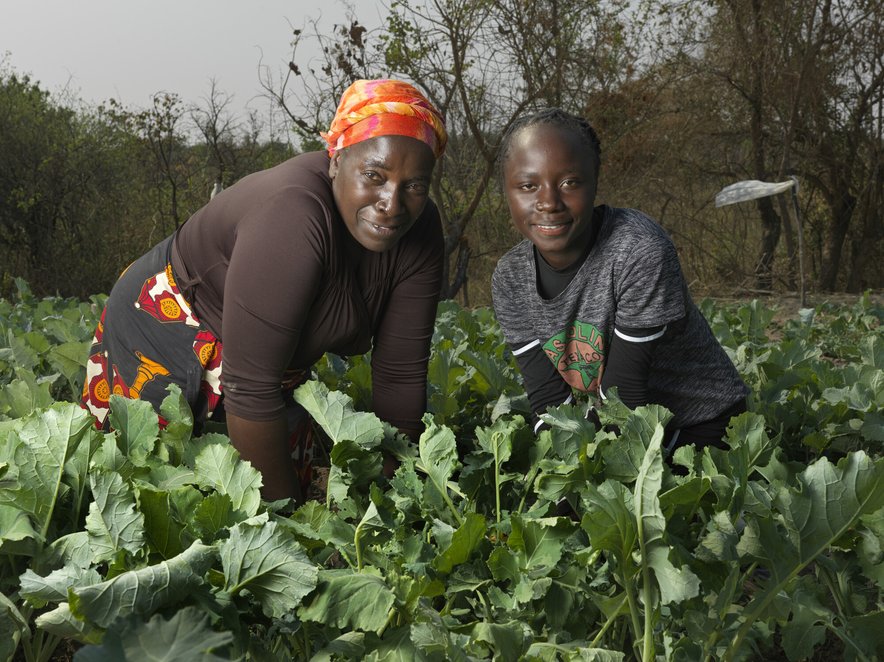
“In the last three harvest seasons, I have harvested almost nothing,” said smallholder farmer Buumba. “It’s getting hotter and hotter, and the rain either comes too late or too heavy. There’s no such thing as normal weather anymore.”
Through a CARE project, Buumba planted seeds for orange corn — a more climate-resistant variety rich in vitamin A. “It was the only thing that survived the floods,” she says. “Our white corn is destroyed, but the orange corn saved us.”
Adapting to environmental change
Shifts in climate expectations particularly affect women and older people who depend on agriculture. They are caught between extremes: drought and floods, crop failure and hunger.
Women are increasingly taking the initiative to counteract the effects of environmental changes. “We attended training courses run by CARE and learned how to plant trees, start gardens, and save money,” said Febbie, a farmer. “We use the trees for charcoal, soil improvement, shade, and medicine.”
Adapting to new environmental realities is essential in Zambia, where more than half of the population lives below the poverty line. Reforestation protects against soil erosion, gardens secure food and income, and savings groups support financial independence — building long-term resilience.
“We don’t want to give up,” says Buumba. “Our maize fields should still be standing after the floods so that we don’t have to go hungry for weeks again.”
What CARE does in Zambia
CARE has been active in Zambia since 1992. Together with local and women-led community organizations, CARE works to empower women and girls, with a focus on improving nutrition for mothers and children and strengthening social protection.
CARE also provides support and training in climate-resilient agriculture, water supply, and reforestation. Since 2023, CARE has partnered with the Choma District Women Development Association, which provides humanitarian assistance to crisis-affected communities in Choma District.
4. Malawi
- 4 million people are affected by food insecurity
- A state of emergency was declared in several districts in October 2025
Working together against extreme weather
“When there’s no drought, there’s flooding – and vice versa.”
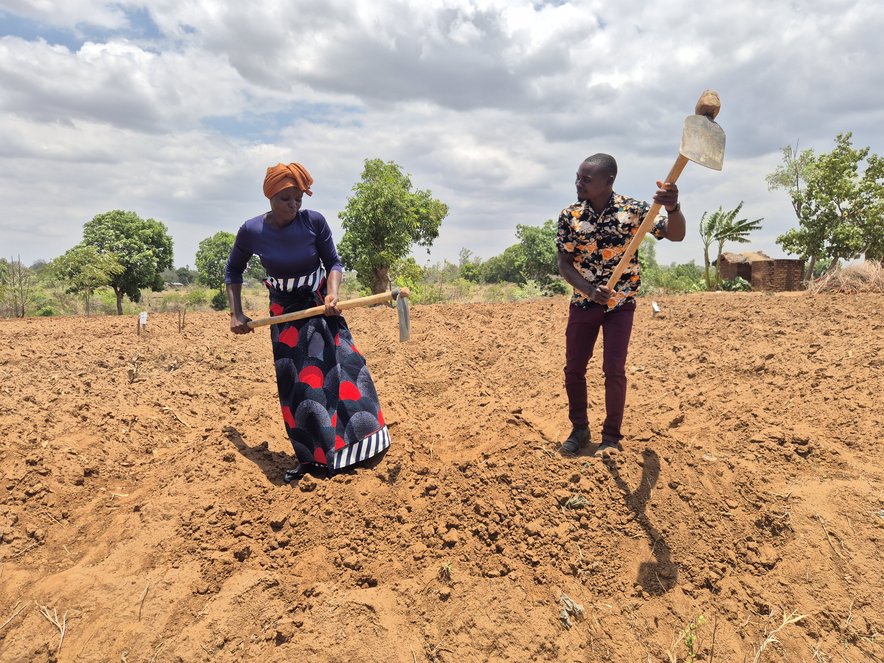
These words are often heard in the Nsanje district in southern Malawi, where communities regularly have to prepare for and rebuild after extreme weather events. In recent years, cyclones have become more frequent. Ongoing deforestation – for firewood or to produce wood for sale, both of which are essential for survival – contributes to soil erosion, with devastating consequences for people, animals, and the environment.
Disaster prevention with early warning systems
“I had a field of corn,” says farmer Amie. “But then the rain came and washed everything away.”
In Malawi, harvests are frequently destroyed by droughts, cyclones, or excessive rainfall that leads to flooding. Weather patterns have become increasingly unpredictable.
Despite trying everything to make ends meet, Amie and her husband needed additional support. Through CARE’s emergency program funded by European Civil Protection and Humanitarian Aid Operations (ECHO), the family received a cash grant, enabling them to buy urgently needed food and a goat.
CARE supports the development of early warning systems and community-based disaster preparedness to reduce the impact of floods and other extreme weather events. Evacuation and disaster protection plans are developed together with communities in vulnerable regions. In addition to meteorological forecasts, people also rely on traditional knowledge – for example, unusually large mango harvests or increased ant activity are seen as warning signs of impending floods.
CARE Malawi works closely with women-led organizations such as Girls Empowerment Network (GENET) and Women’s Legal Resources Centre (WOLREC) to ensure the protection of women and girls is central to disaster preparedness, response, and recovery, alongside other local NGOs.
More trees, better soil
In Mangochi District, the soil is hard and dry, and the sun beats down relentlessly. Little grows here – except on farmer Muhamadi’s field. He has already planted 540 tree seedlings and plans to plant more than 1,000 in total. Although a fire damaged some of the young plants, most survived.
Muhamadi’s reforestation work is part of the Global Evergreening Alliance‘s Restore Africa project, which promotes reforestation in Malawi and other African countries. In the future, he hopes to earn income through CO₂ certificates.
“This prospect motivates me,” he says. At a nearby tree nursery, villagers learn how to grow and care for seedlings – all with the shared goal of making the land green again.
What CARE does in Malawi
CARE has been active in Malawi since 1998. CARE works with partners including CADECOM Blantyre, GENET, WOLREC, Njira Impact, Eagles Relief, Churches Action for Relief and Development (CARD) Malawi, Circle for Integrated Community Development (CICOD), Synod of Livingstonia Development Department (SOLDEV), Find Your Feet, and others.
Together, they address food insecurity by combining immediate humanitarian aid with long-term solutions such as sustainable agriculture, support for women farmers, improved nutrition education, and community empowerment – with a strong focus on women and girls. Pregnant women and mothers receive training on balanced nutrition, while savings groups and cash assistance help families build greater financial independence.
Additional humanitarian context is available via ACAPS and ReliefWeb’s Malawi Humanitarian Snapshot (October 2025).
5. Honduras
- 11 million inhabitants
- Half of the population lives below the poverty line
- 1.6 million people need humanitarian aid
Poverty, violence, and climate crisis
“We were expecting a good harvest this year. But then heavy rains set in and destroyed everything.”
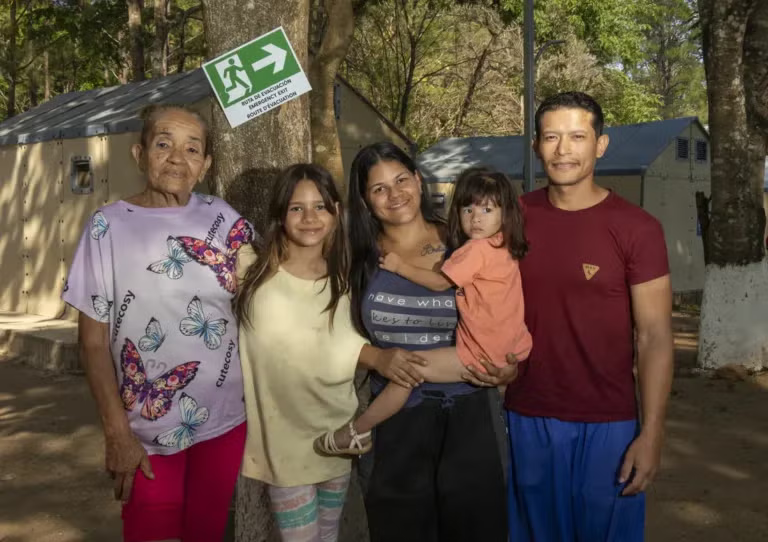
Teresa is a smallholder farmer and women’s rights activist in Honduras. She is a member of a CARE-supported group in which 17 women and four men are working together to test new farming methods to counter the effects of a changing environment. Teresa’s village is located in an arid region where irrigation techniques are important in agriculture. But recently, hurricanes were followed by heavy rains that caused flooding in large parts of the country.
Teresa and her group, called “Caminando juntos y juntas” (“We move forward together”), grow corn, beans, sweet potatoes, and plantains on their fields. Extreme weather conditions are a challenge, but they are facing the problem together. “We are learning to adapt and work with the changes,” says Teresa. Her group is part of the Farmer Field and Business Schools that CARE supports nationwide.
Triple crisis
In Honduras, more than half of the population lives below the poverty line. Women in rural areas are particularly affected. Rapid environmental changes are most evident in Central America’s “Dry Corridor,” with drought threatening the livelihoods of over a million families in Honduras. These changes lead to crop failures, rising food prices, and migration. People are leaving their villages because, despite their best efforts, they cannot make a living from agriculture.
Honduras is facing a triple crisis: environmental changes, hunger, and inequality. Poverty and structural inequality increase the risks for women and girls. In 2024, CARE Honduras conducted a rapid humanitarian analysis which found that 61 percent of the women surveyed, compared to only 10 percent of the men, had suffered from hunger in the previous month.
The threat of sexual violence
Violence against women is widespread. Women not only face physical violence, but also emotional abuse, sexual assault, and economic control that rob women of their freedom. When women lose their crops, cannot find work, or have no access to land and resources, they become more financially dependent. This often exposes them to a higher risk of control, abuse, or exploitation.
In the CARE survey, women stated that they are afraid to leave their daughters alone because of the risk of sexual violence. They said that domestic violence increases during periods of drought or economic hardship.
What CARE does
In 2025, CARE Honduras and its partners reached over 160,000 people in 23 projects, with almost three-quarters of them being women. Almost 15,000 rural households living in poverty received support, which included activities to increase food production, health, WASH, and nutrition.
More than 10,000 farmers (including 8,000 women) like Teresa were part of “Farmer Field and Business Schools.” This enabled them to increase their yields and strengthen their resilience to environmental shifts by adopting good agricultural practices and technologies like irrigation systems.
CARE works with local women’s organizations such as the Council for the Integral Development of Rural Women (CODIMCA), which strengthen women’s rights and promote their participation in decision-making processes.
Additional context and data are available via the Honduras Humanitarian Needs and Response Plan 2025, the ITU DataHub country profile, and a podcast episode on Honduras.
6. North Korea
- Over 10 million people are at risk of malnutrition
- 18% of children are affected by growth and developmental disorders due to chronic malnutrition
Cut off from the outside world
At first glance, it seems surprising that North Korea has hardly made any headlines in 2025. The media often reports on missile tests, espionage cases, military parades, and North Korea’s ongoing conflict with South Korea. But behind these political headlines lies a humanitarian crisis which rarely enters the public consciousness.
Difficult access to food
According to United Nations estimates, over 10 million people in North Korea, more than 40 percent of the total population, are affected by malnutrition to varying degrees. Children under the age of five are particularly at risk: for them, malnutrition can have serious consequences for their physical and mental development. Almost one in five toddlers in North Korea is affected.
North Korea is also not spared from the effects of a shifting climate. Extreme weather conditions such as droughts, floods, and cyclones weaken agricultural production. Soil erosion and crop failures mean that the country cannot produce enough food. Strict import restrictions affect not only additional food, but also modern machinery and drought-resistant seeds.
In addition, access to clean drinking water, medical care, and other essential goods and services is limited.
Hardly any international aid
Political and economic sanctions in response to the authoritarian regime have almost completely isolated North Korea. Although there are special provisions for humanitarian aid, the lack of information, funding gaps, and delays in implementation make aid efforts considerably more difficult.
Additional data and analysis are available via USDA Foreign Agricultural Service reporting, ACAPS, and the World Food Programme.
7. Angola
Drought, cholera, and unrest
Angola is a country of contrasts. Around 40 languages and dialects, a rich culture, and impressive biodiversity characterize this country in southwestern Africa. But behind this abundance lies a harsh reality. Angola is one of the largest oil producers on the African continent, yet a large part of the population lives in poverty.
In 2025, Angola was on the brink of collapse. The worst drought in decades, a nationwide cholera epidemic, and increasing social unrest shook the country. While millions of people struggled for food and water, the population’s anger over rising living costs erupted on the streets.
When the rain fails
The climate crisis is hitting southern Angola particularly hard. Recurring droughts and irregular rainfall are destroying the livelihoods of many farmers. Fields lie fallow, livestock have died. According to UN figures, almost 2.6 million people are dependent on humanitarian aid, including 1.3 million children. At the same time, cholera is spreading rapidly.
The invisible burden of women
Many women and girls walk for miles every day, often alone, to fetch water. This journey not only takes time but also carries risks of violence and health problems. Pregnant and breastfeeding women suffer particularly from malnutrition and a lack of medical care. Girls often miss school to fetch water or even drop out of school altogether to contribute to the family income—with serious consequences for their future.
Additional context on Angola is available via Germany Trade & Invest, Senckenberg Research Institute, and the UNICEF cholera situation report.
8. Burundi
Hunger and refugee crisis
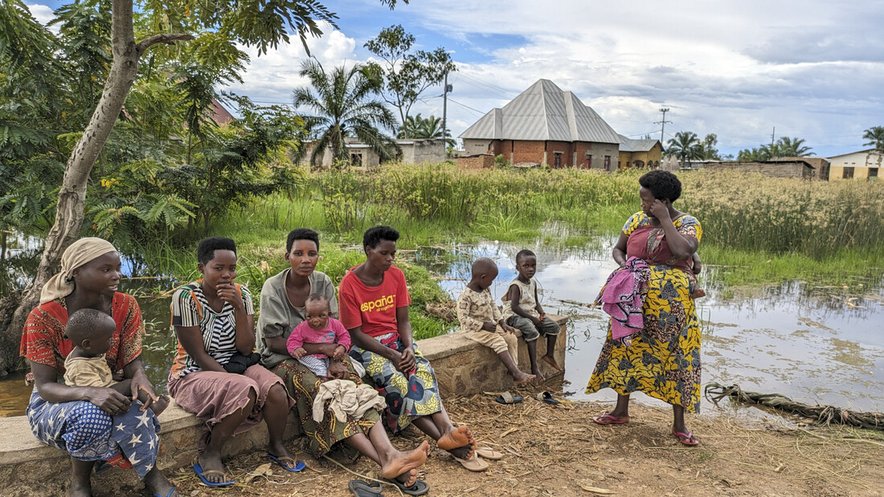
The CARE Crisis Report has been published for 10 years, and Burundi has appeared on the list of crises overlooked by the global media nine times. The landlocked Great Lakes nation is facing extreme weather events, political unrest, and a massive influx of refugees. People are fleeing to Burundi from the neighboring Democratic Republic of Congo (DRC) to escape extreme violence. In October 2025, more than 110,000 refugees and asylum seekers arrived in Burundi from DRC.
But even after fleeing they face a difficult everyday life, as Burundian communities and authorities with limited resources of their own struggle to cope with providing more than just sanctuary for their desperate neighbors. “We can’t afford two meals a day,” reports Enock, who lives with his family in a refugee camp in southwestern Burundi. In total, more than 1.2 million people in the country are affected by food insecurity.
Reproductive health: the key to independence
For women and girls in the country, the already precarious situation is further exacerbated: domestic violence, child marriage, early pregnancy, inadequate access to contraception, and almost complete responsibility for housework and caregiving threaten their physical and economic security.
“Because of my pregnancies in quick succession, I was often ill. I couldn’t work or take proper care of my children,” says Chantal, a participant in a CARE-supported project on sexual and reproductive health.
In Burundi, the birth rate is 4.67 children per woman. If pregnancies follow too closely together, the risk of serious health problems increases because the mother’s body cannot recover sufficiently from the previous birth.
“Reproductive health plays a key role in our economic independence,” reports Evelyne, a member of a savings group in Burundi. “I have three children, each born five years apart – thanks to family planning and the advice I received from CARE’s partner organizations such as ABUBEF, SaCoDe, and Yezu Mwiza. This spacing allowed me to work, save, and build up my own income.”
Women empower women
Women are also disadvantaged in other areas like inheritance law, access to credit, and agriculture, even though this is the main source of income for 85% of the population. Local women-led organizations are therefore extremely important. Their expertise is crucial for identifying needs and driving sustainable change.
“By working with local women’s organizations, we strengthen local communities and social cohesion, to allow them to access economic incomes and opportunities as they can,” says Josée Ntabahungu, Country Director of CARE Burundi.
What CARE does in Burundi
CARE has been working in Burundi since 1994 and, together with local partner organizations, is committed to ensuring that women and girls receive protection and support and can shape their own futures. The projects focus on strengthening equality, women’s economic participation, the prevention of violence against women and girls, and sexual and reproductive health.
9. Zimbabwe
Drought drives rising hunger
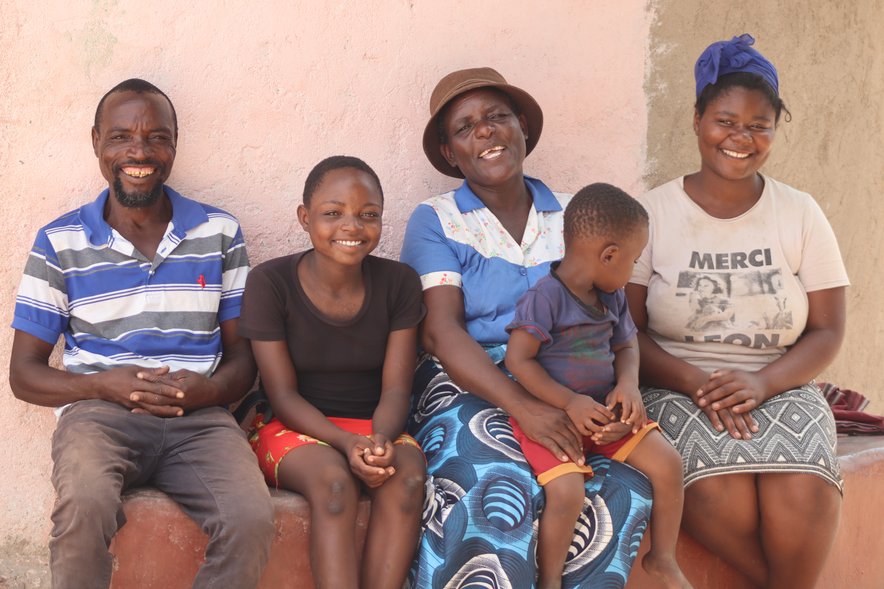
“We were only able to harvest two buckets of sorghum. That wasn’t enough. We tried to make sure we eat in the morning and evening whatever we could find after getting work in the nearby fields,” explains Alice, a farmer. It is only enough to survive. She and her husband can no longer afford to pay school fees for their three children.
Hardly anything grows in their garden that could supplement their meager income, because water is scarce and the soil is parched. In recent months, all ten of the family’s chickens have died. Alice and her husband are facing ruin. They work on other people’s fields while their own lie fallow. The harvests are too uncertain, the rain too unreliable.
When the rains fail
Thousands of farmers in Zimbabwe are in the same situation as Alice. Rising temperatures and unpredictable rainfall have fundamentally changed the climate: droughts now occur every two to three years instead of once a decade. As a result, 2.7 million people in rural areas are repeatedly threatened by hunger.
The precarious food situation hits the youngest particularly hard: according to the United Nations World Food Programme, almost a quarter of children under the age of five are malnourished. In the cities, too, many suffer from scarce supplies and rising prices: 28 percent of the urban population is affected by food insecurity.
Women particularly affected
In Zimbabwe, women continue to be underrepresented in the formal labor market and at the same time do significantly more unpaid work – whether in care, household chores, or production. They are more likely to be affected by poverty and feel the consequences of the climate crisis more acutely than men. It is also often harder for women to access support.
Violence against women and girls is another issue that Zimbabwean civil society seeks to counter.
For Alice, support from local organizations, including Nutrition Action Zimbabwe (NAZ) and Padare, is currently essential for survival. She and her family have received food vouchers for 750 ml of oil, 10 kg of corn flour, and 1.5 kg of beans per person — enough to get them through the most difficult months.
She hopes to be able to harvest again next season and that there will be enough rain to water her gardens so that her family can once again live off their own crops.
What CARE and our partners do in Zimbabwe
CARE has been active in Zimbabwe since 1992. Its work focuses on empowering women and girls, reducing inequality and poverty, and promoting food security, resilience, and rapid emergency response.
In response to drought, CARE works to improve water infrastructure and access to water. In Zimbabwe, CARE works with local partners such as Nutrition Action Zimbabwe (NAZ).
Together with NAZ, CARE supported around 24,800 people in drought-affected regions with food vouchers – including Alice and her family.
Additional humanitarian context is available via the IFRC drought response overview and the WFP Zimbabwe Country Brief (September 2025).
10. Madagascar
- 4.7 million people require humanitarian aid
- Four cyclones occurred in the first half of the year
Extreme weather and political unrest
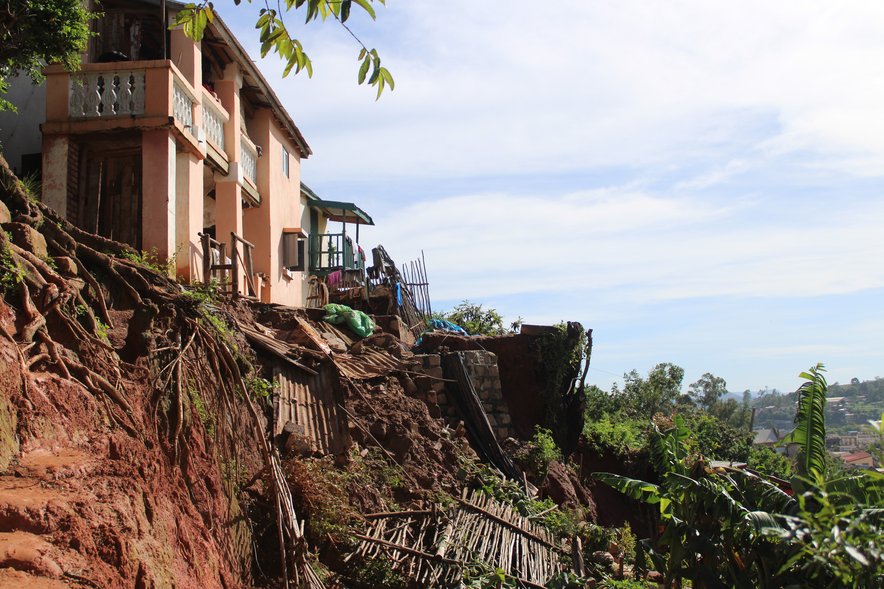
“In recent years, my eggplant and pepper yields have declined dramatically. The plants have dried up, rotted, or been eaten by insects,” said Mama, a farmer from Madagascar. Smallholder farmers like her are the first to feel the effects of a changing climate. They depend on their harvest for income: “I could no longer afford to pay for my children’s education.” Changing environmental conditions are hitting the island nation in the Indian Ocean off the southeast coast of Africa particularly hard.
Droughts, floods, cyclones
In the first half of 2025, Madagascar was hit by several severe disasters, including droughts, floods, and cyclones. Cyclones Honde and Jude struck within just two weeks of each other. Strong winds and flooding damaged schools and health facilities, destroyed farmland, and led to a shortage of clean drinking water. From late December 2024 to March 2025, more than 200,000 people were affected in the south of the country, and over 46,000 were displaced. Women and children in particular are at increased risk of targeted violence as a result of displacement and destruction.
But it wasn’t just the effects of the climate crisis that shaped 2025. Madagascar was recently in the headlines because of political unrest: at the end of September, protests broke out in the capital Antananarivo and other locations. Shortly afterwards, the military took power. The unrest occurred amid an already tense humanitarian situation: in 2025, 4.7 million people, including 2.3 million children, were in need of humanitarian aid due to food insecurity, disease outbreaks, and climate disasters.
Women save together for financial independence
CARE works to support the economic independence of women in Madagascar through small savings groups. “Since I joined the savings group, my life has completely changed,” said Georlina. She is the mother of three children and chairwoman of a small savings group in a village near Mahajanga in northwestern Madagascar. “With the savings group, I was able to gradually increase my income. I am currently developing a business plan to breed Muscovy ducks. This will enable me to become financially independent.” As a leader within the group, Georlina has participated in regional exchange programs and training courses for female managers. She is also a member of a local rescue team that helps communities prepare for natural disasters and mitigate their effects.
What CARE does in Madagascar
CARE has worked in Madagascar since 1992. In partnership with local organizations, such as SAF/FJKM and Action Intercoopération Madagascar (AIM), CARE supports communities in adapting to the impacts of environmental change and improving the food situation. CARE provides emergency assistance to populations affected by disasters, supports the construction and rehabilitation of homes and community infrastructure, and helps families resume agricultural activities and restore their livelihoods.
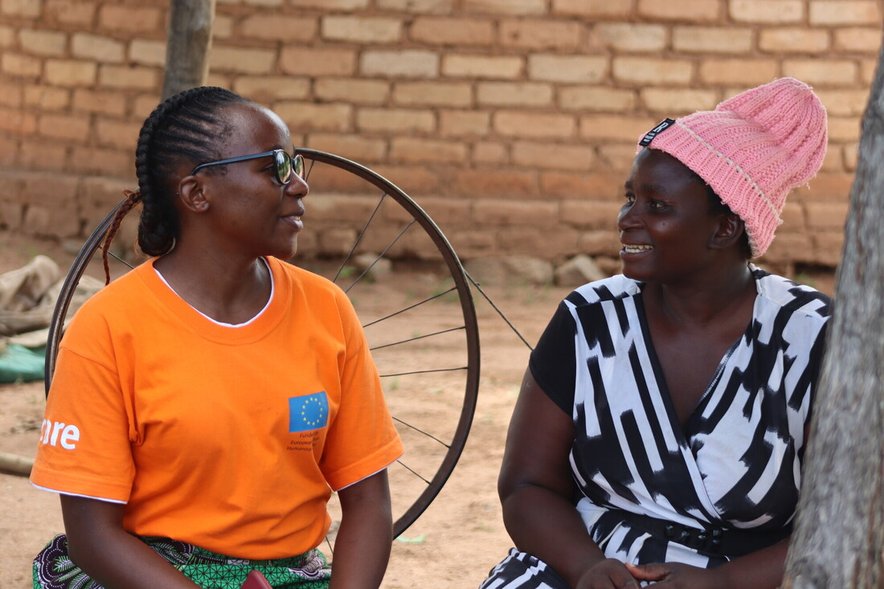
For decades, CARE has worked in the majority of the countries listed in the report. In 2025, CARE reached more than 58 million people in over 120 countries through key development and humanitarian response efforts. We know the crises outlined are not inevitable—they are the result of choices, priorities, and attention. When emergencies are ignored, lives are lost, and futures are stolen.
But when we choose to care, we change the story. Every click, every conversation, every post matters because visibility drives resources and action. It begs the question: Who cares? The answer must be all of us.