
It is now over six months since the ceasefire was announced in Gaza. But Palestinians continue to face disease, indignity and destruction, and civilians have continued to be killed and injured in ceasefire violations. Daily life is still dominated by the lack of clean water, safe living conditions, electricity, cash, and reliable transport.
Infestations of rats and pests have multiplied, with young children and people with disabilities at greatest risk. Many families have returned to sleep in homes without walls or ceilings and entire neighborhoods destroyed.
Missile and drone strikes have continued, with hundreds of people killed across Gaza, including eight aid workers. Although figures are likely to be underestimated, there is unexploded ordnance every 600 metres on average, in Gaza.
For many, survival is still a daily struggle. Israeli authorities have blocked essential aid and supplies, while humanitarian and medical workers are increasingly prevented from entering Gaza.
CARE and our partners in Gaza continue to deliver clean water and provide critical healthcare to women and children, risking their lives in the process. Here we share reflections from some of our dedicated team members on the devastating reality of daily life in Gaza.
A system pushed beyond collapse
Jolien Veldwijk, Country Director West Bank and Gaza
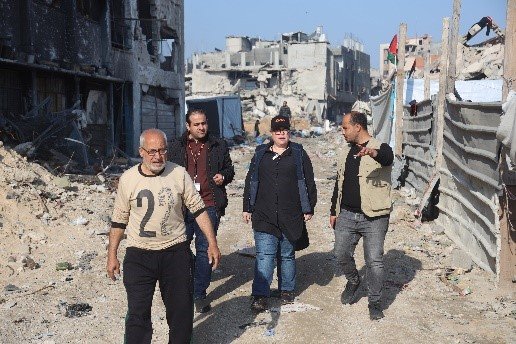
“The so-called ceasefire has not restored anything like normal life. Recovery cannot begin until Palestinian people across Gaza have full access to the basic items essential to sustain a life of dignity: at a minimum, food, clean water, healthcare, shelter, and protection. The long-term impact of malnutrition, trauma, and lack of medical care is unbearable.
From our day-to-day work, we continue to see the severe impact on women, children, and newborn babies."
"Maternal health remains one of the most underreported crises. Pregnant and breastfeeding women are facing malnutrition, infections, lack of proper antenatal care, lack of medicines, and limited access to ultrasounds, lab tests, and emergency obstetric services.
“One pregnant woman who eventually made it to the clinic told us she had walked a long distance to reach care, fainted on the road and when she came around, turned back without receiving help.
“Mothers and newborns are paying the price for a system that has been pushed beyond collapse.”
Living conditions place a heavy toll on families
Khadijah*, CARE Health Team in the Gaza office
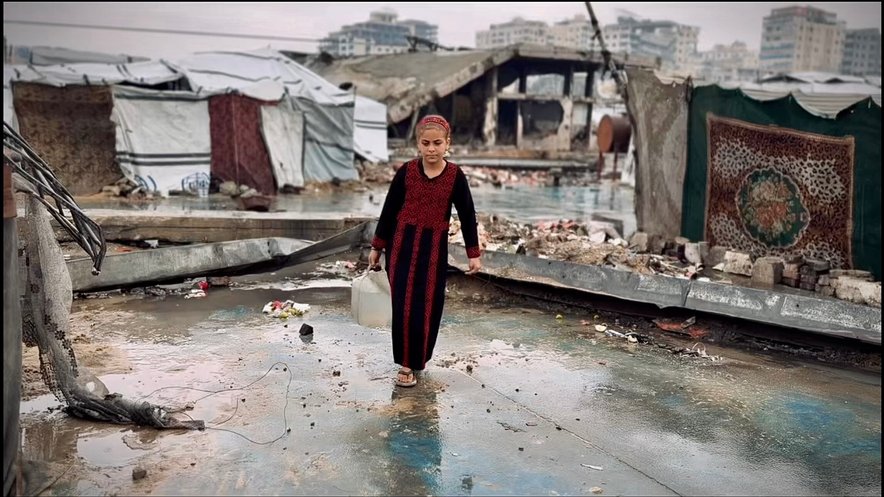
“What affects me most, and has a deep impact on my mental health, is seeing young children carry heavy jerrycans to collect drinking water, stand in long lines just to get bread, and help their families by gathering boxes to use as fuel. I see them running while carrying trays of food to be cooked in public ovens. At a time when they should be in school, they are instead burdened with responsibilities far beyond their age.
“I also see women waking up at 5:00 AM and spend the entire day cooking, washing, and cleaning, constantly rushing to keep up with the schedules of public ovens and water sources. They struggle daily to secure necessities, facing shortages of essential items, lack of vegetables, and high prices. Many are forced to walk long distances due to lack of transportation.
These scenes are deeply distressing and reflect the heavy toll that current living conditions are taking on families and communities.”
Limited access to essential supplies and medicines
Fatima*, CARE Health Team in the Gaza office
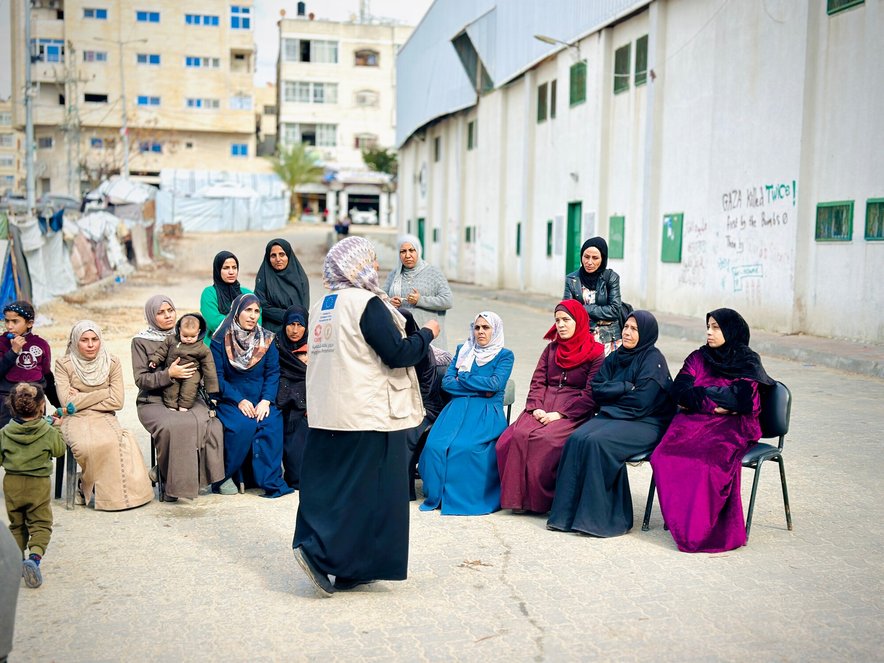
"At the CARE clinic, particularly around sexual and reproductive health, women attend gynaecology consultations with multiple health challenges linked to difficult living conditions.
"Limited access to essential hygiene supplies has significantly worsened the situation. Basic hygiene items such as shampoo, body wash, and soap have been prevented by the Israeli blockade from entering Gaza for more than eight months, leading to severe shortages in local markets. Similarly, sanitary pads have been largely unavailable, contributing to an increased risk of urogenital and other infections among women and adolescent girls.
"We also frequently receive cases of pregnant women suffering from malnutrition due to limited access to diverse and nutritious food, particularly fresh vegetables, which negatively impacts both maternal and foetal health.
"High pressure on hospitals, combined with early discharge after caesarean sections, limited postnatal monitoring capacity, and shortages of beds, staff, and essential medicines, significantly compromises the quality of maternal and newborn care. This situation increases the risk of post-operative infections, inadequate neonatal follow-up, and delays in identifying and managing complications in both mothers and newborns."
How you can help people in Gaza
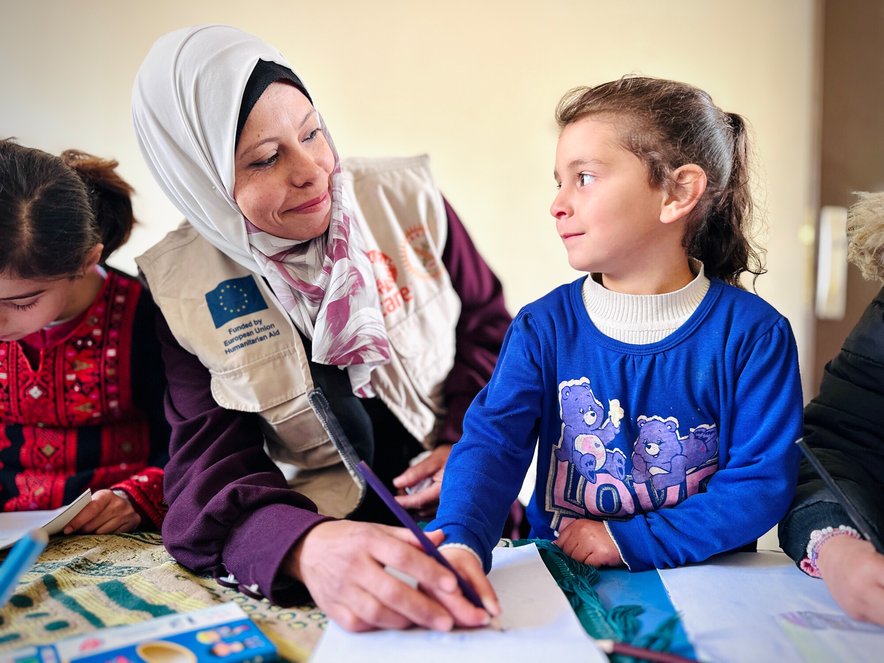
In Gaza, CARE has reached more than 995,000 people since the conflict broke out in October 2023. We’ve supported women to give birth and care for their children, and provided sanitary products, alongside emergency food and water supplies.
CARE’s Primary Health Care Centre in Deir Al Balah remains one of the few places still able to provide some essential services, but capacity is fragile due to shortages of medications, overstretched staff, and limited diagnostics.
We know how to operate in the region, and we’ve been saving lives under these conditions for over two years. Public donations are the backbone of our response, allowing us to move quickly even when we only have very short windows of opportunity to get aid in.
Please join thousands of people in the UK who are determined to help protect women and their communities from this horrific conflict and donate today to help ensure we can continue to provide life-saving support to people in Gaza.
- £20 could provide immediate nutritional needs for a mother and her baby.
- £50 could provide a month's worth of life-saving medication for two people forced to flee their homes.
- £100 could pay for 400 people to receive a day’s worth of safe drinking water.
* Names have been changed to protect identities


