
Nanyely didn't choose to leave Venezuela. Her daughter made the decision for her.
“I always say I won’t cry when I talk about this,” she says with a small smile. “But it’s hard.”
Nany, as everyone calls her, is 42 years old, from Caracas, Venezuela. She’s also a mother. That last identity, she explains, is what set everything else in motion.
When her daughter, Yancy, turned 13, she made a birthday wish that no child should ever have to consider.
“She told me, ‘Mum, I need us to leave so I can eat,’” Nany recalls. “There were days she couldn’t go to school because there was no food.”
Yancy was also living with a heart condition that required medical care Nany could no longer reliably access in Venezuela.
“She used to have seizures on the street” Nany says, fingers twisting together. “I had to beg her not to ride the bus alone. I knew I had to give her health, stability, and firm ground to stand on.”
Six months later, Nany took the first steps to grant Yancy’s birthday wish. She boarded a bus alone, leaving Venezuela – and her daughter – behind.
“They deserve a dignified life.”
Nany’s story is one of millions. Over the past decade, Venezuela has experienced an unprecedented humanitarian crisis. Nearly 7.9 million Venezuelans have fled the country, driven by hunger, collapsing health systems, and the inability to meet their children’s most basic needs. Most have sought refuge in neighbouring countries across Latin America and the Caribbean.
“We didn’t come as tourists,” Nany says firmly. “Ours is one of the biggest migrations in the world, not because we chose to leave our comfort zones, but because of need. We left because of hunger. Because we have children, and they deserve a dignified life.”
For Nany, leaving meant something even more painful: separating from her daughter. Yancy would stay with relatives while Nany travelled with her cousin. Their plan was simple but terrifying: reach Ecuador, find work, send money home, and reunite with Yancy as quickly as possible.
Nany travelled north with little more than determination and faith. Her documents were incomplete and she didn’t have proper winter clothes. “I come from a hot country,” she says. “I didn’t know Ecuador would be cold.”
Crossing borders
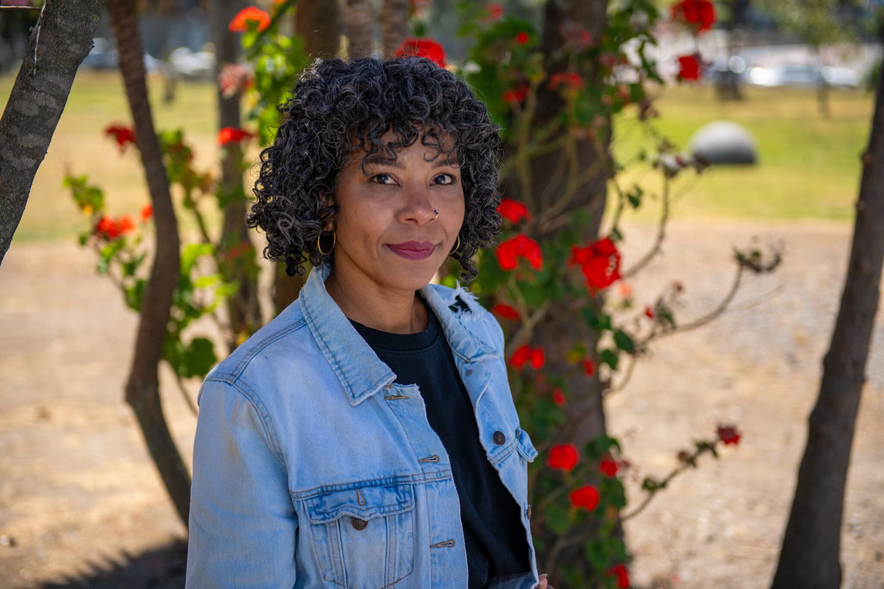
By the time Nany reached the Colombia–Ecuador border, the journey had grown even more precarious. Despite the efforts of the migrant movement and the NGOs that support them, such as CARE, last year, Ecuador introduced stricter entry requirements for Venezuelans. This has left many migrants in legal limbo and has made the already difficult journey even more dangerous.
The border guard looked at her expired Venezuelan ID and shook his head. Nany remembers his words so clearly. “He said ‘You can’t enter. You’ll have to go back.’”
She had no money to return. Shocked, unsure of what to do next, Nany handed her cousin her phone – the only thing of value she owned – so she wouldn’t be completely alone.
“I told her, ‘Take care of yourself. Do things right,’” Nany remembers. “I thought, ‘Maybe it’s not my time. I’ll go back to my daughter and we’ll try again.’”
Her cousin cried and begged her not to leave. Nany hugged her, told her to go on, and turned back toward the guard, preparing to retrace her steps to Venezuela, to Yancy, to everything she’d been trying to escape.
Then something unexpected happened.
“It was a miracle,” she says, light growing in her eyes as she remembers. “The guard stood up. He looked at us and told me to go ahead. ‘If anyone asks,’ he said, ‘you and I never saw each other.’ And that’s how I entered Ecuador.”
First day, first kindness
Nany arrived in central Quito feeling afraid, alone, and uncertain of what came next.
“I was afraid to get on the bus,” she remembers. “Afraid to walk alone. Afraid to go out and sell things.” She pauses. “Xenophobia was my biggest fear.” She worried that Ecuadorians would see her as a burden, as someone who didn’t belong.
Yet her first day in Ecuador also marked the beginning of what Nany now calls “seven wonderful years,” even though her daughter was still far away.
That day, she met Alexandra Maldonado, founder of Las Reinas Pepiadas, a women-led organisation supporting Venezuelan migrant women in Ecuador, and a local partner of CARE.
“Alexandra was like an angel,” Nany tells us. “She hugged me and said, ‘Welcome to your new home. Are you here to work?’”
In a moment when Nany expected rejection, she found acceptance and opportunity from an Ecuadorian woman. She told Alexandra she could make arepas, the cornmeal staple of Venezuelan cuisine. The very next day, Alexandra helped her secure her first catering job.
“Sharing my culture through food helped ease my fear,” she says. “People didn’t point fingers at me. They said, ‘This is delicious. Thank you.’ And I thought, I’m in the right place.”
“For me, Reinas is family,” she adds. “It’s the safe space that welcomed me when I arrived in Ecuador. It’s the place that gave me the opportunity to grow, to feel secure, and to create a safe home for my daughter.”
Even with that solidarity and support, Nany’s first months were difficult. She struggled with depression and loneliness, longing for the day Yancy would join her.
Their reunion came sooner than expected. With support from Las Reinas, Nany was able to bring Yancy to Ecuador just six months after arriving. Her daughter was hospitalised for her heart condition almost immediately. The procedures she needed, the ones they couldn’t access in Venezuela, were all successful.
The power of adaptation
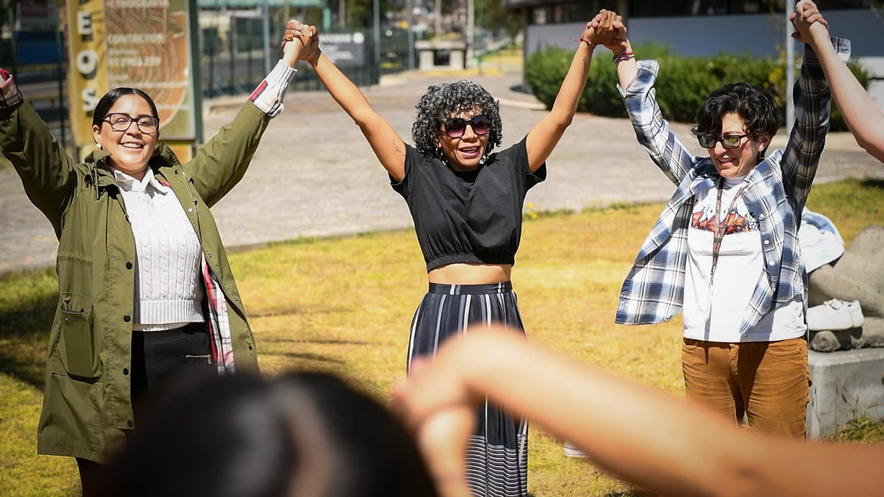
Migration doesn’t just change where you live. It changes who you are.
Nany arrived in Ecuador afraid and uncertain, a woman who had been taught that certain things were not for women to do. Over time, she discovered something else.
I’ve discovered power. Absolute power.” - Nany
Today, she runs a washing-machine rental business – a field dominated almost entirely by men – and works with Las Reinas Pepiadas to support other migrant women, listening to their stories and connecting them with opportunities to rebuild their lives with dignity.
Women and girls are often the most exposed to danger during displacement, particularly when travelling alone or caring for children. Across the region, migrant women face heightened risks of violence, exploitation, and exclusion – especially when legal pathways are closed or unclear. For Nany, finding a women-led community was not just empowering. It was protective.
“It feels amazing to give back what I once received,” she says. “To tell women, ‘You’ll be okay. We’re here.’”
Her daughter sees it too.
“She looks at me and says, ‘If you can, I can.’ That’s the greatest inheritance I can give her.”
Adaptation, Nany believes, doesn’t mean erasure. She still makes arepas, still speaks Spanish like a Caracas native, still carries her Venezuelan identity alongside her Ecuadorian one. She shares meals with her neighbours — arepas, ceviche, mote — and finds that integration has been easier than she feared.
“I actually have more Ecuadorian neighbours and friends than Venezuelan ones,” she says, laughing.
More than culture or nationality, she wants her daughter to carry values. “Respect. Love. Empathy,” she says. “Wherever she goes.”
Más amor
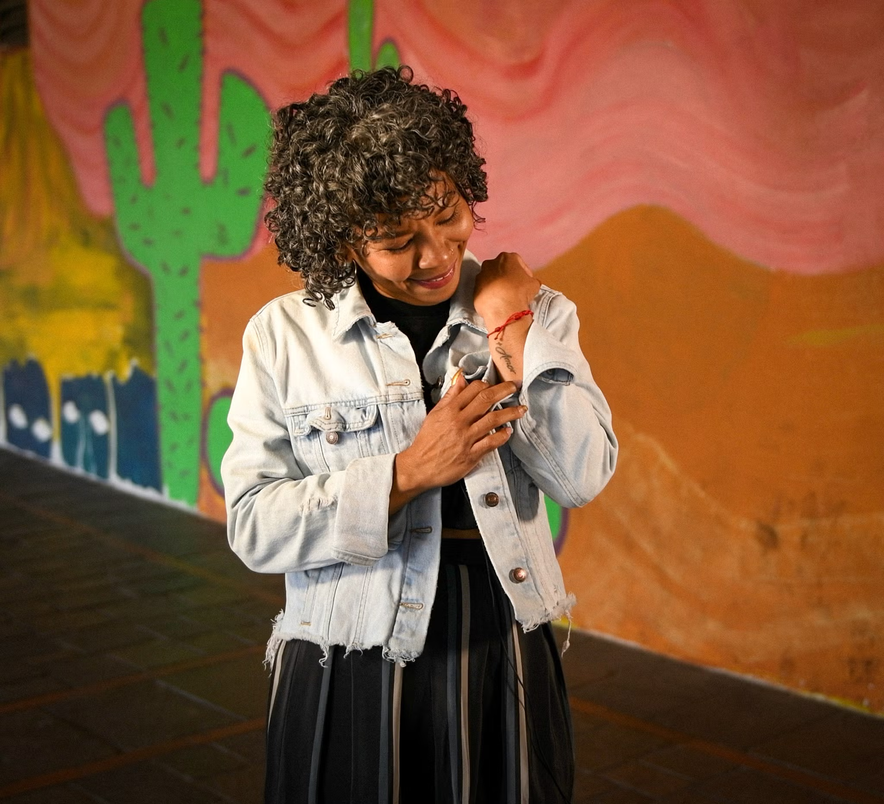
Today, Nany is part of Las Reinas Pepiadas’ outreach team. She goes into the streets, meets women who have recently arrived in Ecuador, listens to their stories, and connects them with resources that can help.
“Migration isn’t just about Venezuelans,” she says. “It’s anyone who leaves their country. My role is to offer a light at the end of the tunnel.”
One morning, Nany and the other women from Las Reinas arrived at a shelter where newly arrived Venezuelans were staying. It was cold. Quito sits more than 9,000 feet above sea level, and many migrants from tropical Venezuela arrive unprepared for the chill, just like Nany. They brought warm clothes, heaters, panela with lemon and coffee — small acts of care to ease the shock of arrival.
When they got there, they saw a message spray-painted on the wall: Más amor. More love.
“That’s what represents us,” Nany says. “More love. More empathy. More humanity.”
She has the words tattooed on her wrist now as a permanent reminder of the philosophy that carried her through her hardest moments and into a future she once could only imagine.
Nany’s biggest dream today is for Yancy to attend university. Her daughter has finished high school and is creative, entrepreneurial, and determined. She runs a small clothing business and sells Afro hair products and accessories. She’s healthy. She’s building a future.
“My daughter is 20 now,” Nany says. “May she reach 30 still happy. That’s what I want. That’s what I came here for.”
For women facing the decision to migrate, Nany’s advice is simple. “It is possible,” she says. “The biggest obstacle is always in your own mind. Every step matters, even if it is small. If you can make arepas, make arepas. If you can iron clothes, iron clothes. Work is dignifying.”
And if you can, she adds, tell your story.
“People need to hear these stories to understand,” she says. “No one abandons their life or their children on a whim.
We migrate because we must. Because we believe, deeply, that something better is possible.”
CARE in Ecuador
CARE Ecuador works to support the social and economic inclusion of migrants and refugees through partnerships with local organisations. These collaborations focus on preventing violence against women and girls, strengthening women’s leadership, and creating safe spaces where migrant women can develop skills, share knowledge, and rebuild their lives with dignity. Through community-led initiatives, CARE helps ensure that women have access to the resources, networks, and opportunities they need to thrive in their new homes.


