
In Basra, Iraq, summer temperatures regularly climb above 50°C. For many women, especially those who are pregnant or caring for young children, the heat is not just uncomfortable. It affects their health, daily routines, and access to care.
Delivering maternal healthcare in extreme heat
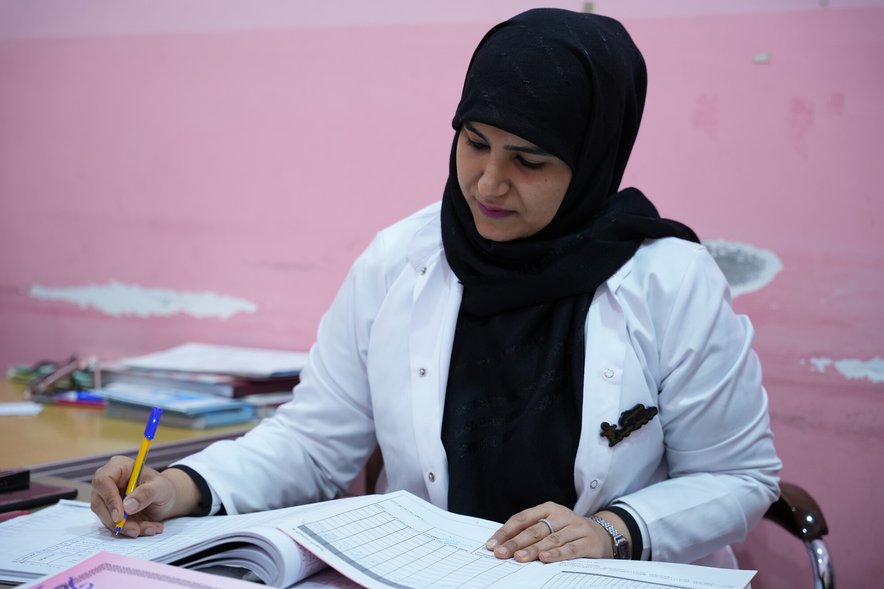
Healthcare provider Sarah, who works in maternal care at a Primary Health Care Centre in Basra, sees firsthand how climate pressures intersect with social and health challenges.
“Many pregnant women arrive with low blood pressure and symptoms that are worsened by the heat,” she explains. “We advise them to protect themselves because heat can affect both the mother and the baby.”
“The heat has increased significantly. In the past, temperatures did not reach these levels,” she says. “The lack of rainfall and the reduction of green spaces are making the situation worse.”
After participating in specialised training on maternal health and heat-related risks, Sarah says she feels better equipped to support patients.
“We learned what to do during power outages, how to manage heavy workloads during extreme heat, and simple measures such as improving ventilation, opening doors and windows, and encouraging people to drink cold water.”
According to her colleague Marwa, rising temperatures are increasing health risks for women managing pregnancies, caring for young children, and carrying out daily household responsibilities.
“We see dehydration, exhaustion, and both low and high blood pressure,” Marwa explains. “Many women spend long hours caring for large families and managing household tasks, often in poorly ventilated homes during periods of extreme heat. Combined with frequent pregnancies and limited opportunities for rest, these conditions can place considerable strain on their health and wellbeing.”
Finding ways to cope with the heat
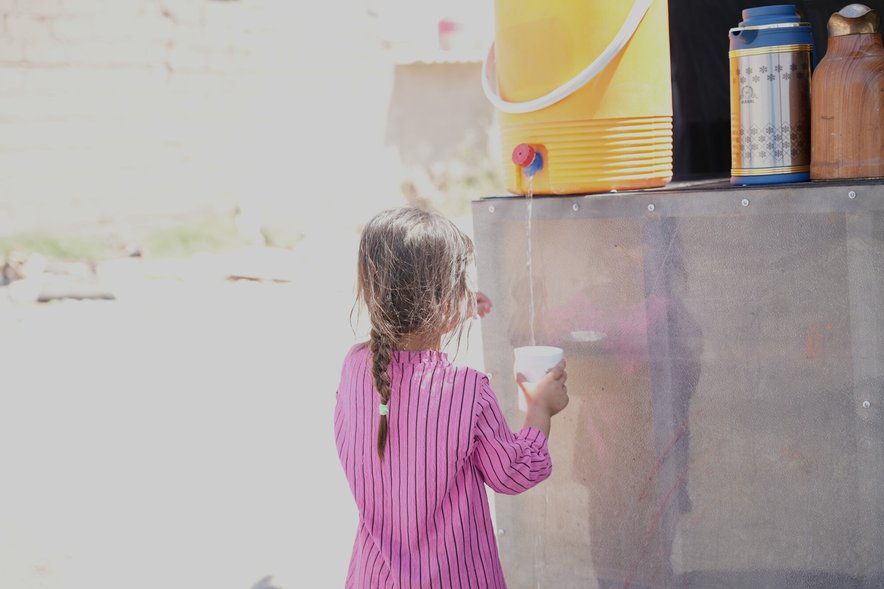
For Taysir Salim* (name changed), a 35-year-old mother of four, every summer is a challenge. Married at 20 and unable to complete her education, she has spent her life in Basra, where she now cares for her family while her husband, who lives with diabetes, remains unemployed.
“Even simple things like cleaning the house or cooking become difficult during the summer,” she says. “We only have one air conditioner in the house, and when the electricity cuts out for two hours or more, we are left in extreme heat.”
The effects are visible in her family. She recalls the day her daughter fainted while they were shopping in the market during a particularly hot afternoon.
“I think everyone in Basra has experienced a health problem because of the heat,” Taysir says.
To cope, she plans her day around the temperature, completing household chores early in the morning and avoiding unnecessary trips outside.
What helped her most was attending an awareness session on maternal health and heat-related risks.
“I learned how to better protect myself and my children,” she explains. “Now I make sure we drink enough water, use umbrellas when we go outside, and avoid the hottest hours of the day.”
For Taysir, these sessions offer practical knowledge in a community facing increasingly intense heat.
Bringing information door-to-door
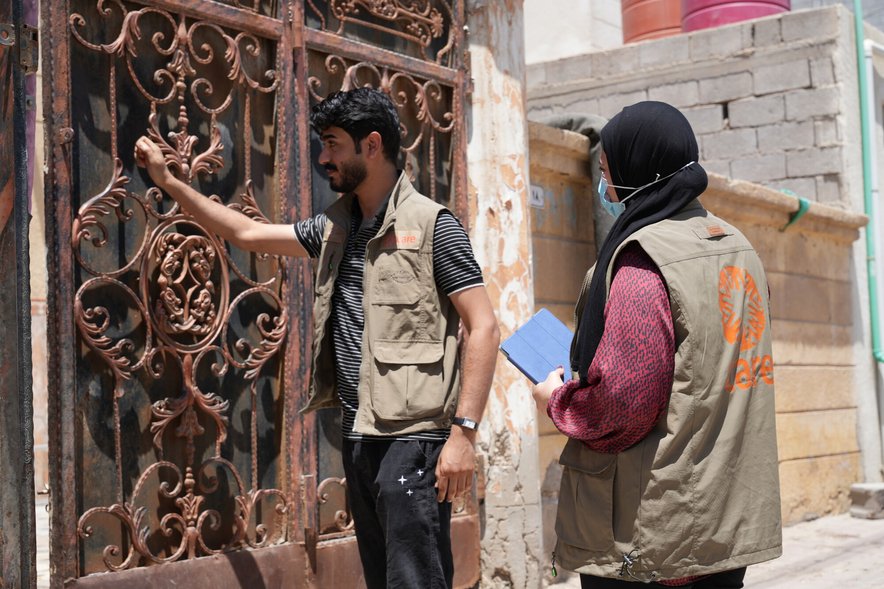
Behind these awareness sessions is a team of eight community health workers who visit households and health centres across Basra, speaking with women and men about maternal health, family planning, breastfeeding, and the health impacts of extreme heat.
During their visits, community workers often encounter families with limited access to health information. Some women are unfamiliar with family planning options, while others stop breastfeeding because they believe formula helps babies grow faster.
“We explain the benefits of breastfeeding and family planning,” says community health worker-Team leader Muamal. “Many women tell us afterward that they plan to change some of their practices because they understand the health benefits better. It feels rewarding when people tell us they learned something new, especially when the new thing can improve their lives.”
Community health worker Ghufran has also witnessed the impact of these discussions.
“As a mother myself, I have seen how spacing pregnancies gives women time to recover physically and emotionally,” she says. “It allows families to give more attention and care to each child and makes managing family responsibilities much easier.”
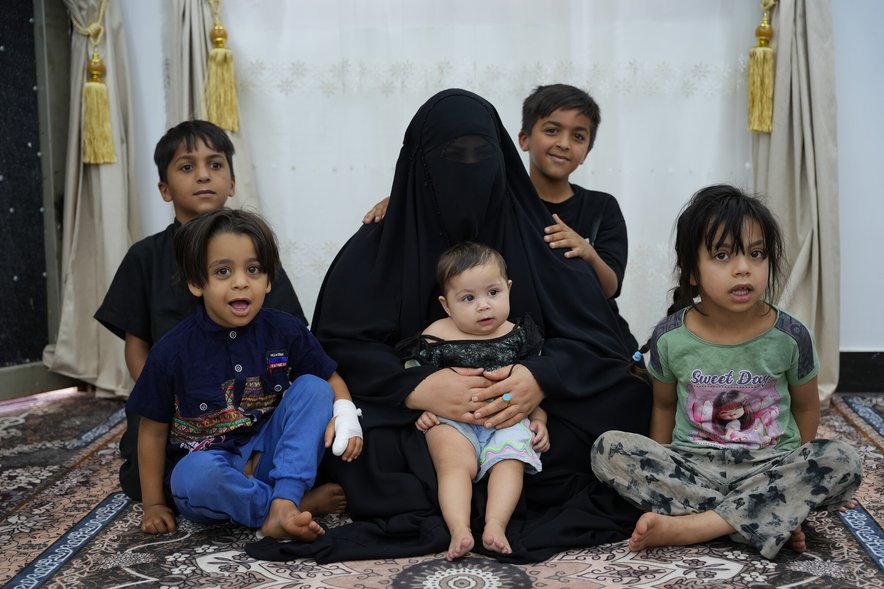
The message is reaching women like Amina Yousuf* (name changed), who attended sessions at her local Primary Health Care Centre.
“These topics are very useful,” she says. “I am now much more aware of how extreme heat can affect women, especially pregnant women.”
Building climate-responsive maternal health services
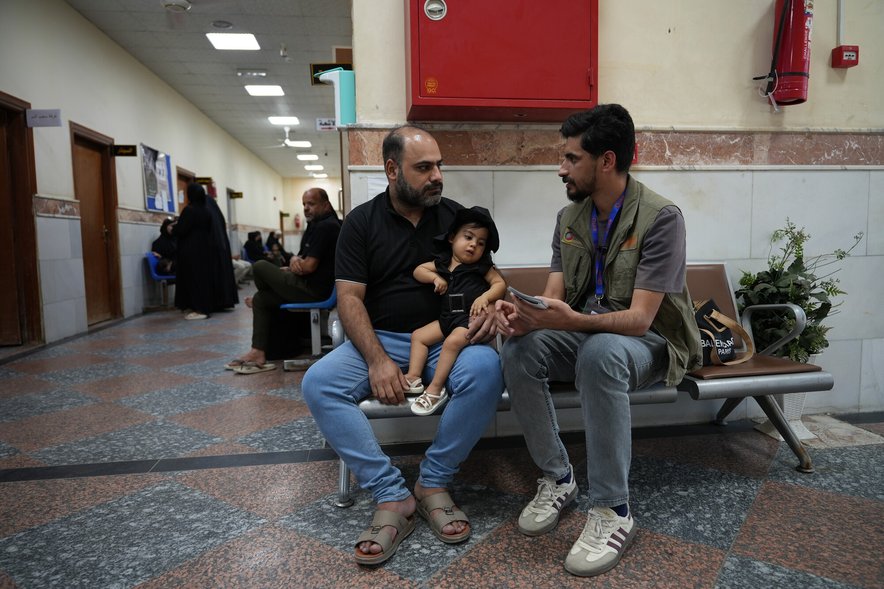
These activities are part of CARE Iraq's Mother Care Project Phase II: Protecting Maternal Health and Promoting Informed Adaptation, implemented in partnership with the Ministry of Health in Basra.
The project combines community awareness, support for frontline health workers, and efforts to strengthen understanding of how climate-related risks affect maternal health. By equipping women, families, and healthcare providers with practical information, the initiative aims to help communities better anticipate and respond to the growing health impacts of extreme heat.
Dr. Mustafa, Director of Shatt Al-Arab Health Center, says the results are already visible.
“The training courses and support provided to our health centre have significantly strengthened the capabilities of our staff and improved the quality of services offered to citizens,” he says. “The awareness activities on climate and health challenges are helping build a community that is better prepared to face these risks.”
As Basra's summers grow hotter, health care workers, pregnant women, and mothers like Taysir continue adapting as best they can. Through greater awareness, stronger health services, and community support, families are gaining tools to protect their health in a changing climate.


