The twin threat of Ebola and El Niño in the Democratic Republic of Congo risks deepening an already dire humanitarian crisis, CARE International warns today.
The warning comes as a new report projects as many as 10,000 people in the DRC could die as a result of additional heat brought by the super El Niño in the next six months.
Michael Alandu, CARE Regional Director for West and Central Africa, said: “We are witnessing Ebola spread at a terrifying speed through communities already pushed to the brink by severe hunger, displacement, disease and conflict. At the same time, communities are bracing for El Niño-driven floods and drought.”
Extreme weather cause by El Niño could displace families, destroy homes and livelihoods, contaminate water sources, disrupt health services, and leave entire communities cut off as roads and bridges become impassable.
“When people are struggling to meet their most basic needs, disease spreads faster and becomes far harder to contain. The appearance of Ebola in South Ubangi, more than 1,000 kilometers from where it started in Ituri province, proves that no community is safe from the virus. Every new case places an intolerable burden on a healthcare system that is already stretched beyond its limits,” Alandu said.
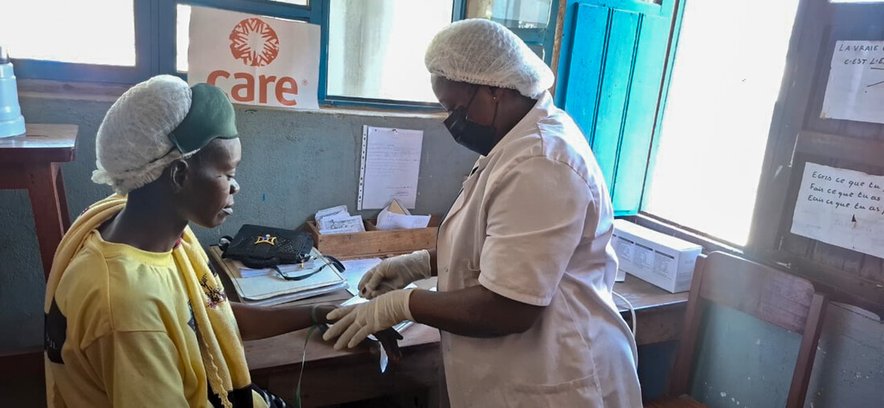
With millions displaced across the affected provinces, tracking exposure and containing Ebola is especially challenging. Many people live in overcrowded areas with limited access to healthcare, clean water and sanitation, while insecurity and poor road infrastructure make it harder to detect cases, reach communities and stop transmission. These same barriers can also undermine community engagement, surveillance, referral and access to care, all of which are essential to controlling an outbreak.
Women and girls are paying the highest price in this crisis. They are often the ones caring for sick relatives, collecting water, finding food and looking after children, increasing their risk of exposure while adding to an already overwhelming burden. Displacement, disrupted services and economic hardship also heighten the risks of gender-based violence, including sexual violence, exploitation and exclusion from essential healthcare and protection services.
CARE International is highlighting the urgent need to scale up prevention, surveillance and community-based response to save lives. CARE teams are working alongside the Ministry of Health, women-led organisations, healthcare workers and community members to build trust, strengthen awareness, support early identification of suspected cases, and provide vulnerable people with essential assistance.
But the response is not keeping pace with growing needs; increased investment is urgently needed alongside guaranteed humanitarian access. As climate risks intensify, humanitarian and public health responses must also be better prepared to operate in communities that may become increasingly difficult to reach.
“Investing now in local capacity, community preparedness and resilient health systems can help ensure that an Ebola response is not disrupted by the next climate-related shock. Acting now will save lives,” Alandu said.
For media enquiries, please email ellis@careinternational.org or press.uk@careinternational.org