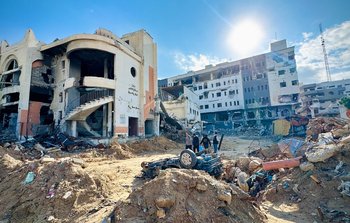
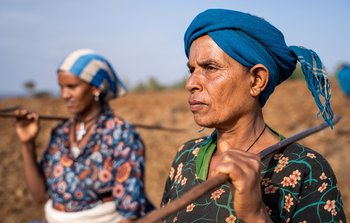
Across Somalia, as food becomes increasingly scarce, women and girls are bearing the heaviest burden. Mothers are struggling to keep their children fed, pregnant and breastfeeding women are battling to meet their own nutritional needs, and girls face growing risks of dropping out of school, exploitation and early marriage. As needs rise and support dwindles, a looming Super El Niño threatens to bring flooding, disease outbreaks and displacement to communities already pushed to their limits.
The latest Integrated Food Security Phase Classification (IPC) analysis confirms that hunger is worsening across Somalia:
- 5.4 million people are projected to face Crisis (IPC Phase 3) levels of hunger or worse between October and December 2026, compared to 4.4 million people during the same period in 2025.
- 1.48 million people will face Emergency (IPC Phase 4) levels of hunger or worse between October and December 2026, compared to 921,000 people during the same period in 2025.
- 26,000 people in Baidoa are projected to face Catastrophe (IPC Phase 5) by the end of 2026, placing them at risk of famine if worsening floods, rising food prices, and humanitarian funding shortfalls are not addressed.
The deterioration comes as humanitarian funding continues to shrink. The number of people receiving food assistance, including food baskets, cash vouchers and agricultural support, has almost halved between January and June 2026. As a result, just one per cent of people in need are expected to receive food assistance during October to December.
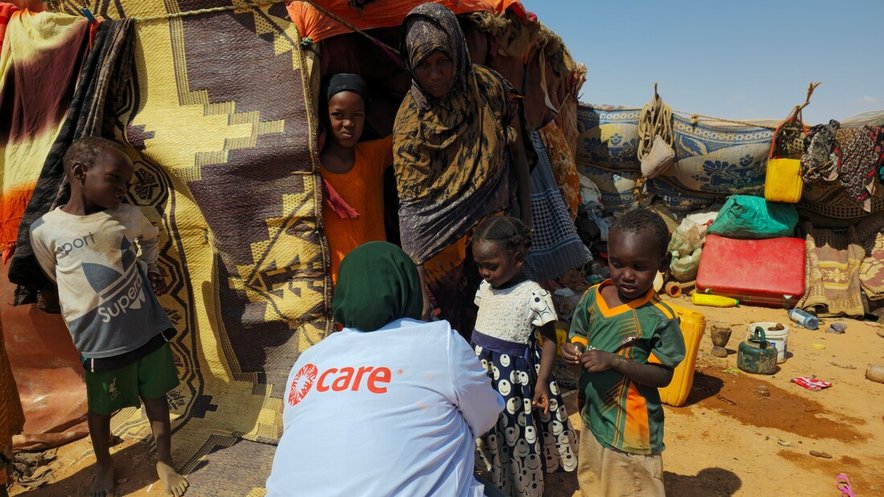
The impact on women and children is already severe. An estimated 1.1 million women and children are expected to miss lifesaving treatment and preventative nutrition services following the closure of 233 nutrition centres. Nine in 10 children suffering from moderate acute malnutrition are expected to lose access to support from October onwards. Admissions to stabilisation centres for severely malnourished children have already increased by 40 per cent.
Between March and August 2026, 15,505 acutely malnourished children were treated at CARE and partner-supported health facilities across Somalia. However, due to funding shortages, only six of the 75 CARE and partner-supported health facilities across Somalia that had been supporting the treatment of acute malnutrition are expected to remain operational after September 2026.
Ummy Dubow, CARE Somalia Country Director, said:
“Somalia’s mothers are fighting an agonising battle on every front, doing whatever it takes to feed their children today, while fearing the floodwaters of tomorrow. Hunger is rising, aid is shrinking and women and children are being left with fewer and fewer ways to cope. We are being forced to close lifesaving health centres not because the need has disappeared, but because the funding has. If these facilities shut their doors just as the rains arrive, the consequences will be measured in children’s lives. The window to act is closing fast.”
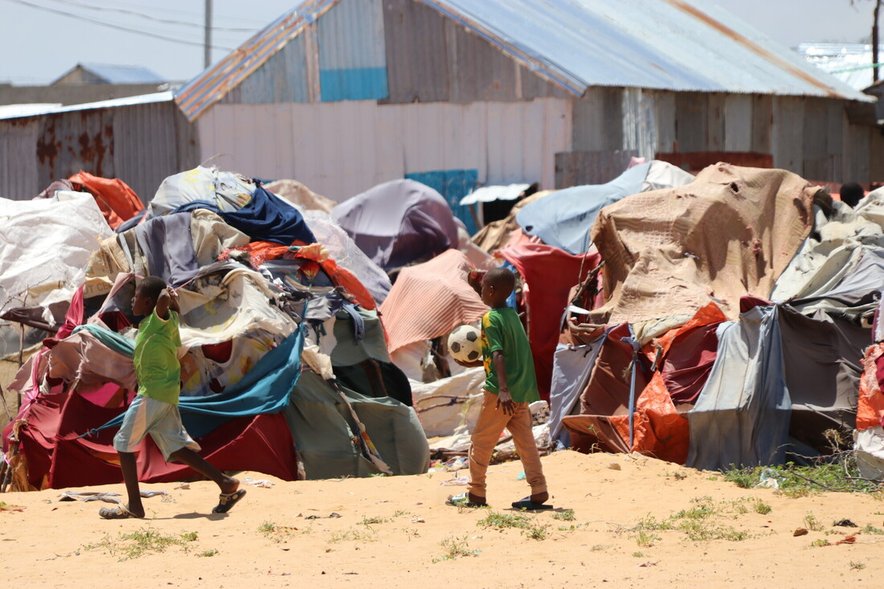
Forecasts indicate a high likelihood of a very strong El Niño during Somalia’s October to December Deyr rains. Above-average rainfall could trigger severe flooding, damaging crops and infrastructure, disrupting markets, contaminating water sources, spreading disease, and displacing large numbers of people.
In Beletweyne, one of Somalia’s largest displacement hubs, flooding could displace more than 200,000 people. Displaced communities in the area could face Extremely Critical (IPC Phase 5) levels of acute malnutrition, as flooding, disease outbreaks and reduced services combine to create catastrophic conditions.
Ahmed Nasir, Deputy Director, Save Somali Women and Children (SSWC) said:
“El Niño-related risks can quickly become a protection, health and livelihoods crisis in Somalia. In Beletweyne, for instance, women and girls face increased risks when floods displace families. Water sources become contaminated, while damaged latrines increase risks of disease outbreaks and make essential services harder to reach. Communities have strong local coping capacity, but they need early warnings, anticipatory finance, safe evacuation routes, emergency cash and protection services designed with women and girls at the centre.”
CARE is calling for an immediate and significant increase in humanitarian funding. Quality funding that is flexible and predictable is urgently needed and must be channelled as directly as possible to national and international organisations, including to women-led organisations, as central actors in the response. CARE also calls on all parties to ensure safe, rapid and unhindered humanitarian access to affected people and to uphold their obligations under international humanitarian law. Without urgent action, millions of women, children and vulnerable families will face an increasingly dangerous combination of risks, including hunger, malnutrition, displacement, protection and violence against women and girls, making them even more vulnerable to ongoing and future climate shocks.
About CARE in Somalia: CARE has been working in Somalia since 1981, supporting vulnerable communities affected by conflict, climate shocks, displacement, and poverty. Working alongside local partners, authorities, and communities, CARE is delivering cash assistance, healthcare, nutrition and protection services such as safe spaces for women and girls, psychosocial support, and emergency care for survivors of violence, where possible.
For media inquiries, please email press.uk@careinternational.org