
Period poverty affects more than 500 million women and girls worldwide. It means not having access to menstrual products, safe sanitation, or the information needed to manage periods with dignity. Driven by stigma and inequality, it has serious consequences for health, education, and opportunity.
This World Menstrual Hygiene Day, here are four key facts about period poverty – and why it must end.
1. Menstrual stigma is real
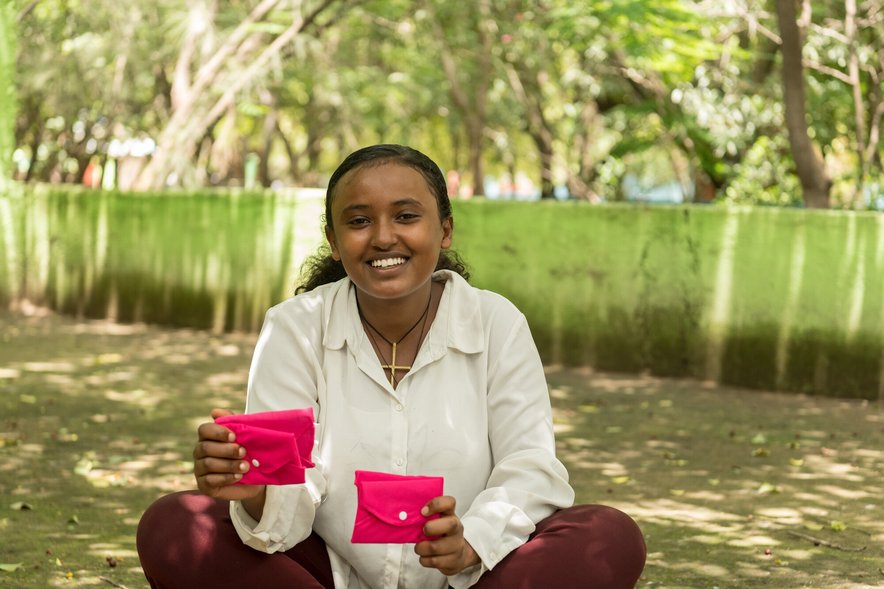
There are over 5,000 expressions around the world to replace the word “period”: having your “ragnagnas,” “Aunt Flo’s visit,” “being on the rag,” “Grandma’s stuck in traffic”…
But why don’t we just tell it like it is, and use the word “period”? We rarely talk about periods – to such an extent that 2 out of 3 girls in Bangladesh aged 13 or younger didn’t know what periods were before they got them (Source: UNICEF, 2022).
Why? Because periods aren’t seen as natural, but as something dirty. In some countries, women are considered impure when they are menstruating. Sometimes, they are seen as a source of bad luck. This can make women feel ashamed – and in some cultures they are even deprived of their freedom.
We used to think that if a woman touched a tree while menstruating, its fruit would fall.” - A father in Uganda
I got my first period at age 11. I was told that I had to stay hidden for 7 days. It was like a prison.” - Lalit, Nepal
2. Period poverty is a global issue
Over 500 million women and girls around the world live in period poverty. This means they are unable to afford or access the menstrual products and sanitation facilities they need to manage periods with dignity.
This is an issue that affects people around the world, including the UK, where one in five people who menstruate struggle to afford period products (Source: Action Aid). While in Ghana, women on the minimum wage spend one in every seven dollars they earn on sanitary pads (Source: BBC).
The result? Often people use makeshift protection: newspaper, old cloth, leaves or pieces of mattress. The risks to their health are immense.
“When I found out that girls were using cow dung as menstrual protection, it shocked me.” - A father in Uganda
3. Period poverty keeps girls out of school
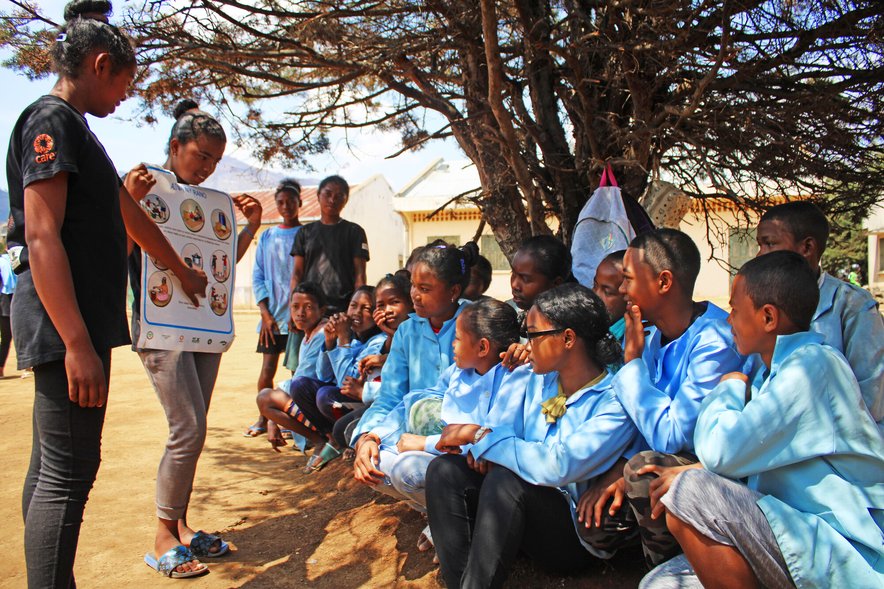
In the Middle East and North Africa, nearly one-third (30%) of girls miss some or all of school during their periods (source: UNICEF, 2024) This may be due to pain, fear of ridicule, or a lack of access to menstrual products or proper sanitation. All of this increases the risk of girls dropping out of school and keeps them in a precarious situation.
The first time I got my period, my classmates laughed at me. There were days when I didn’t even want to go to school anymore.” - Francia, Madagascar
4. Solutions to period poverty already exist
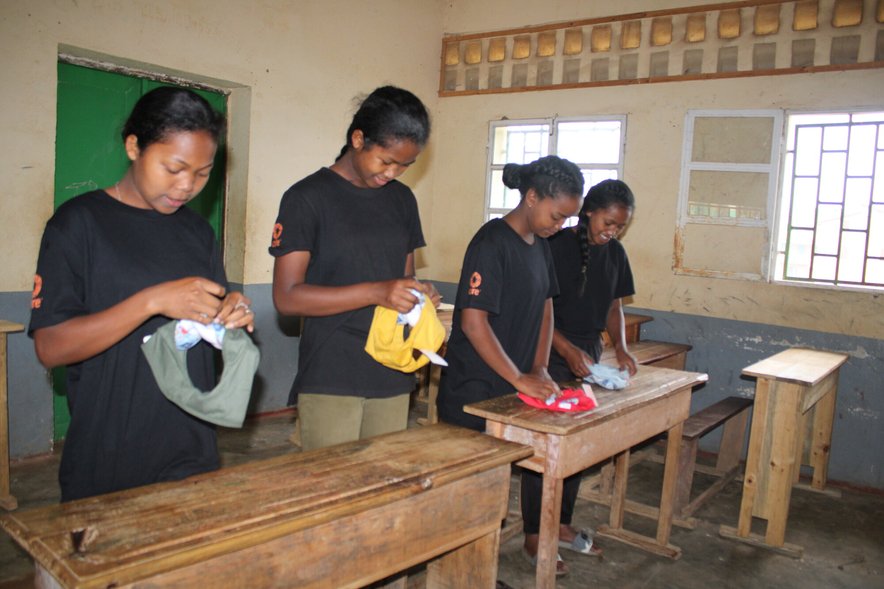
For over 80 years, CARE has been fighting all forms of inequality around the world. Change is possible – and solutions to end period poverty are already working. In the face of the menstrual stigma and period poverty, our local teams, present in over 100 countries, are taking action to:
- Challenge beliefs: raising awareness about menstrual hygiene and the importance of girls’ education, and training health professionals and communities on sexual and reproductive health in countries such as Nepal, Madagascar and Ethiopia.
- Improve access to menstrual hygiene: for example, our teams have built toilets and water access systems in more than 250 schools in Madagascar and about 100 in Ethiopia. This allows thousands of young girls to continue their education.
- Combat menstrual poverty: training women and girls to make their own reusable cloth pads in the DRC and Madagascar, and distributing hygiene kits (including menstrual products, underwear, soap, and laundry detergent) to women affected by humanitarian crises, such as in Gaza, Lebanon, Ukraine, and Somalia.
“At first, I didn’t know what menstruation was. Then, I told myself, ‘That’s not my problem.’ Little by little, thanks to the group formed by CARE, I understood how difficult it was to have your period every month, even though it’s a natural thing. In the group, I learned how to make reusable sanitary pads to replace the old clothes we used before. Now, I help girls make them.” - 18-year-old man, Nepal
How you can help end period poverty
We can’t end period poverty without you. This Menstrual Hygiene Day, will you join the movement to help end period poverty once and for all?
You can also:
- Raise awareness by talking openly about periods and challenging stigma.
- Donate to CARE – your support could help distribute period products and fund sanitation projects.
- Sign up to our mailing list and hear about more ways you can support women around the world who are leading the fight to end poverty.
Period poverty FAQs
What is period poverty?
Period poverty is the lack of access to menstrual products, sanitation facilities, education, and hygiene support.
How many people are affected by period poverty?
Over 500 million women and girls globally experience period poverty.
Why does menstruation stigma matter?
Stigma can prevent people from accessing products, attending school, and seeking medical support.
How can I help end period poverty?
You can donate, raise awareness, and support organisations like CARE working on menstrual health globally.
How can I find out more about period poverty?
You can find out about the causes and consequences of period poverty, and how CARE is working with communities to fight menstrual stigma here on our website.


