
Khadra almost didn’t survive the birth of her fifth child. She and her family are displaced, and live in a camp four kilometres from Dhahar in Somalia, where CARE has a health facility.
The midwife there helped the 26-year-old deliver baby Bushra safely, after which they both received post-natal care to ensure the baby was developing well and mother was healthy.
“I could not have delivered her without them. I was so weak and malnourished. My body could not take it, we both nearly died,” Khadra said.
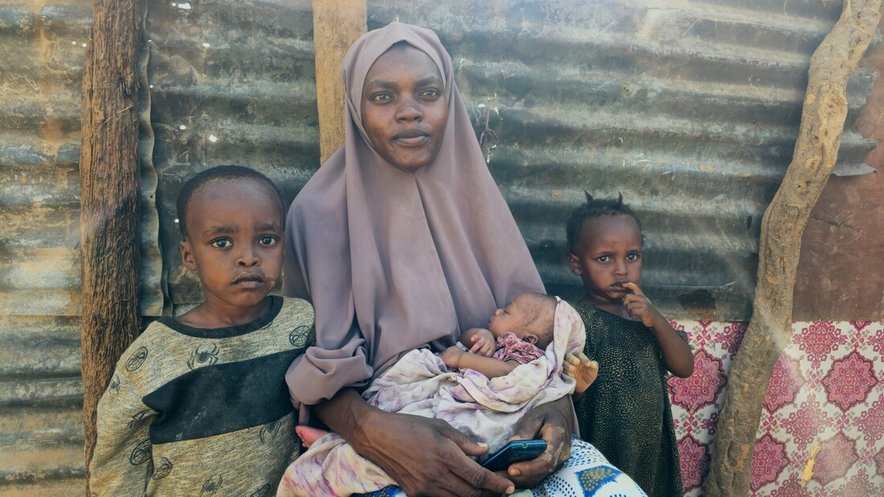
The young mother has five children and together with her husband, fled from Ethiopia to Somalia. She used to work as a cleaner and was able to earn 70 USD each month, but she lost her job when she got pregnant with Bushra.
“My children were starving there, and I had no one left to help me, so we walked until we found a place where we could rest,” said Khadra.
In Dhahar, she works from early morning until evening searching for metal scraps to sell. The day before she delivered, she worked for nine hours straight. It’s the family’s only source of income which brings in 5 USD a week – but that’s hardly enough for one meal a day.
While in the CARE health facility with Bushra, Khadra took a loan to feed her children. Now, she has to leave her baby with her eldest child, an 11-year-old, while she works.
“I have no other choice. If we want to eat and have water, then I need to work, or we will die,” she said.
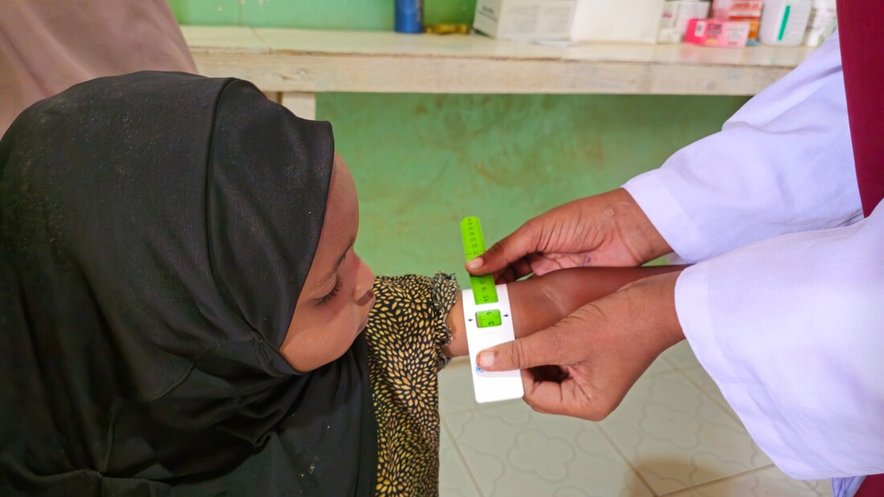
Khadra herself is malnourished and her body very weak, she has no milk to breast feed Bushra. She relied on the therapeutic milk she receives from the CARE facility to feed her baby. Two of her other children - Yonis, 4, and Issra, 2, - were severely malnourished just a few months ago. But they received the Plumpy’Nut – a therapeutic food designed to treat the severe acute malnutrition - at the CARE health facility, while also being treated for fever and diarrhea. Both children are now healthy, and the MUAC tape shows they are in the green area, indicating no malnutrition.
“They were very sick and weak, and I did not know what to do to keep them alive. But the CARE health worker came and told me about the free health care I could get for them. I was so relieved,” she said.
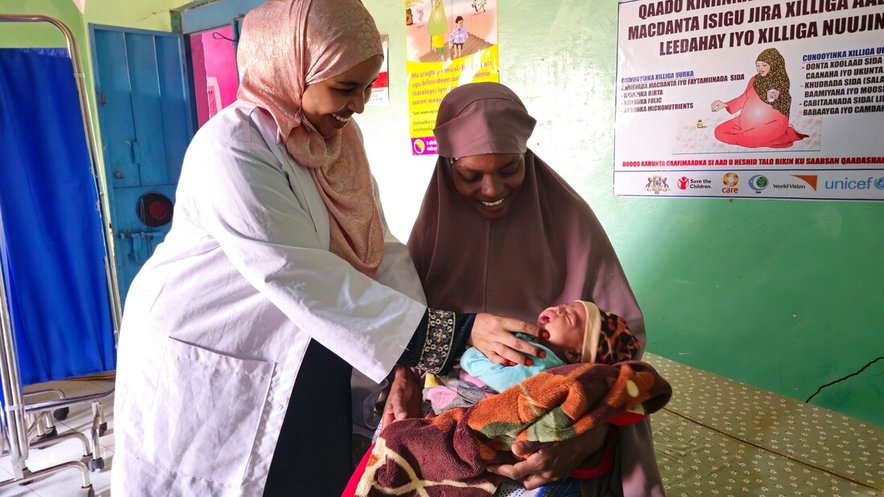
The CARE health facility only has funding until the end of September 2026, with only days left for mothers like Khadra and the other displaced families to seek help. International aid cuts have already forced CARE to close 50 health facilities, and more are in danger of being shut down in the future. In Dhahar, this facility is among the 10 due to close at the end of the month.
“We do not have income. We have no opportunities here. We have no shelter, water and no food. If we also do not have medicine and treatment for our starving children, then life is no longer possible here. Without this health facility there is no life. If there is no longer this support here, our children will die of hunger,” said Khadra.


