Since October 2024, CARE has been working with the DEC to offer vital support to women and communities whose lives have been devastated by conflict in Gaza, Lebanon, the West Bank and Syria. With thanks to our generous supporters and incredible local partners, together we’ve been able to deliver food, clean water, medical care, mental health support and so much more to people living in unimaginable conditions. This support has been possible thanks to the dedication of local aid workers.
As the DEC reports back to the UK public on the Middle East Humanitarian Appeal, we speak with Cyrl Bassil, communications and advocacy coordinator at CARE in Lebanon. Cyril has lived and worked through seven years of heart-breaking conflict and destruction in Beirut, and currently focuses on supporting women and girls impacted by the conflict.
Journey into humanitarian work
My beginnings as a humanitarian aid worker go back many years.
I was born and raised in Beirut, Lebanon, and I grew up after the civil war, to the sound of the Spice Girls and sonic booms from war planes.
Growing up in post-war Lebanon, there was a lot of poverty and violence. Witnessing that as a child pushed me to ask questions and ultimately try to find answers through humanitarian work. I wanted to make a change, even if it was a small one.
Beirut is part of my DNA. I'm very much rooted in this city. I know it by heart. Any problem this city is facing is also my problem.
Since I was a teenager, I have seen the same catastrophic sight of people running barefoot because of explosions, crying, devastated and sleeping on the sidewalk. Because of my connection with the people, I know this is something I can help change. This is why I do the work that I do.
A country facing crisis
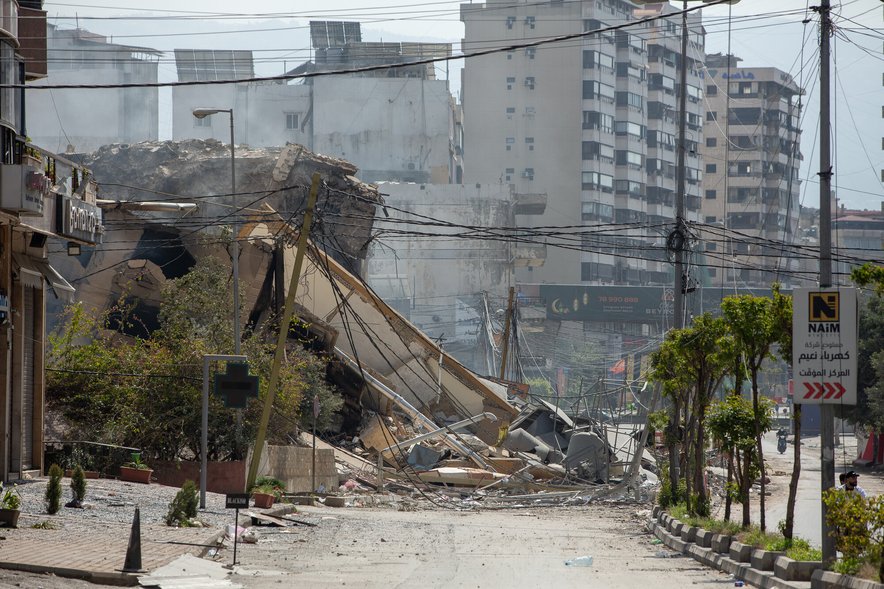
Lebanon has been experiencing a multifaceted crisis since 2019. More than 70% of people live below the poverty line. Sometimes people cannot afford a loaf of bread or safe drinking water. Many women and girls cannot afford menstrual pads, shampoo or soap.
This is where our work at CARE comes in. Women and girls should not have to choose between essential hygiene items and food. Many families have lost their jobs and are struggling to rebuild their lives in a country where the local currency has lost much of its value.
Responding to conflict
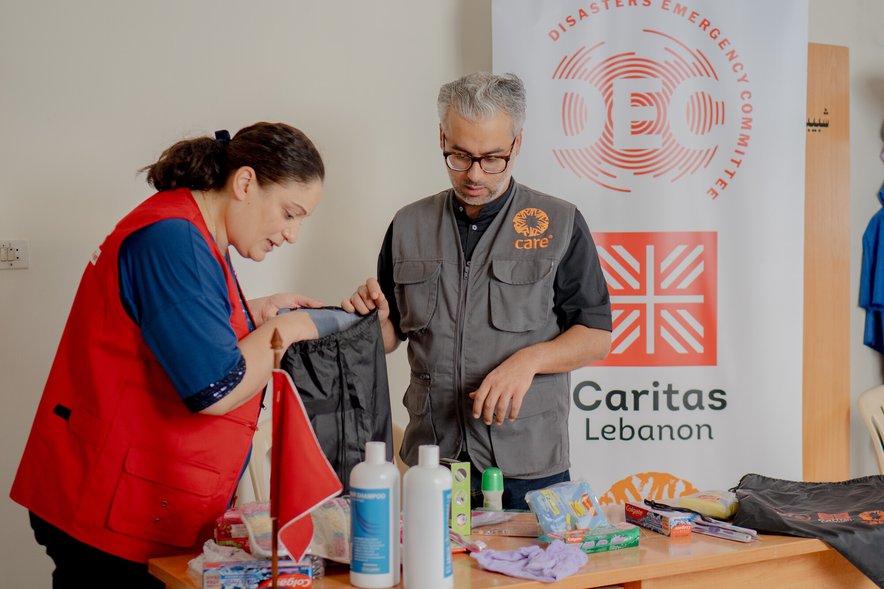
War and conflict interrupt life completely. We go about our day-to-day lives dreaming, planning and hoping for the future. And then war happens, and war breaks everything. It breaks our ability to think, to dream. It breaks our souls.
When conflict escalated in Lebanon in September 2024, and again with the recent escalation in March this year, we were able to respond immediately. Within 24 hours, we were in the field, going to schools that had been turned into collective shelters and distributing aid.
People arrived with only the clothes on their backs. We distributed hot meals, food parcels, soap, shampoo, sanitary pads and towels. Many had left their homes with nothing and had lost their jobs.
Most importantly, we focused on psychological first aid. We met women and girls who had spent days fleeing violence and living with constant fear. Some hadn't slept in more than 72 hours. Many could barely speak about what they had experienced without shaking or crying from exhaustion.
For us, it was vital not only to provide practical support but also to create space for people to process what they had lived through.
Supporting a young mother
One day, while distributing hot meals and hygiene kits, I saw a young woman lying on the sidewalk holding a newborn baby. Even now, months later, I still think about her.
It was very cold. She had given birth only three days earlier but could not stay in hospital because she did not have insurance, and hospitals were overwhelmed with injured people who needed urgent care.
She was living on the sidewalk with her newborn child. She was hungry, thirsty, physically exhausted and emotionally drained.
Two of my colleagues spent time talking with her, and tried to create a space for her to release some of the emotions she was carrying and share what she was going through. We also gave her a hot meal, water and hygiene supplies, and we listened carefully to what additional support she might need.
We continued checking in on her afterwards. At CARE, we try to maintain relationships with the most vulnerable people we meet and return with support whenever we can.
Rebuilding souls, not just homes
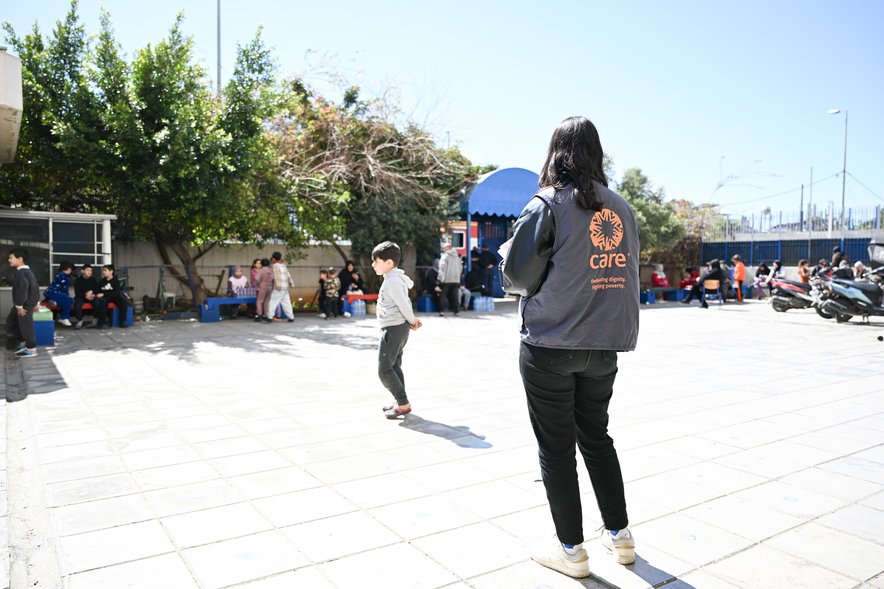
Our work is not just about rebuilding walls and houses. Our work is about rebuilding souls.
I have met families who have been displaced more than five times. Imagine your life becoming an endless cycle of packing belongings, leaving home and starting again somewhere new.
One mother I spoke to has twins. One dreams of becoming a doctor and the other a pilot. They were living in a shelter and could still hear airstrikes and explosions nearby.
She told me her children were under such stress that they were biting their hands. It was a heartbreaking conversation.
As aid workers, these conversations stay with us. This is why psychological first aid is so important. Providing food, water and hygiene items are one thing, but making sure people feel seen, heard and supported is also crucial.
Time and again, people tell us that one of the most valuable things CARE offers is the time we spend listening. When people feel heard, they feel human again. They are no longer just a number or a headline.
The impact of the DEC Middle East Humanitarian Appeal
The generous support we have received from people in the UK through the DEC Middle East Humanitarian Appeal is making a real difference. The needs in Lebanon remain immense. Every item distributed, whether it is food, water, soap or hygiene supplies, helps people who have lost homes, jobs and financial security.
Cash assistance is especially important because it gives people dignity and choice. Families can decide for themselves what they need most, whether that is medicine, food or another urgent expense. In a crisis, that flexibility can be life changing.
For families who have lost everything, every single pound matters. I have seen the impact when someone eats a proper meal for the first time in days, accesses clean water, or is finally able to talk with a trained therapist about their experiences.
What keeps me going
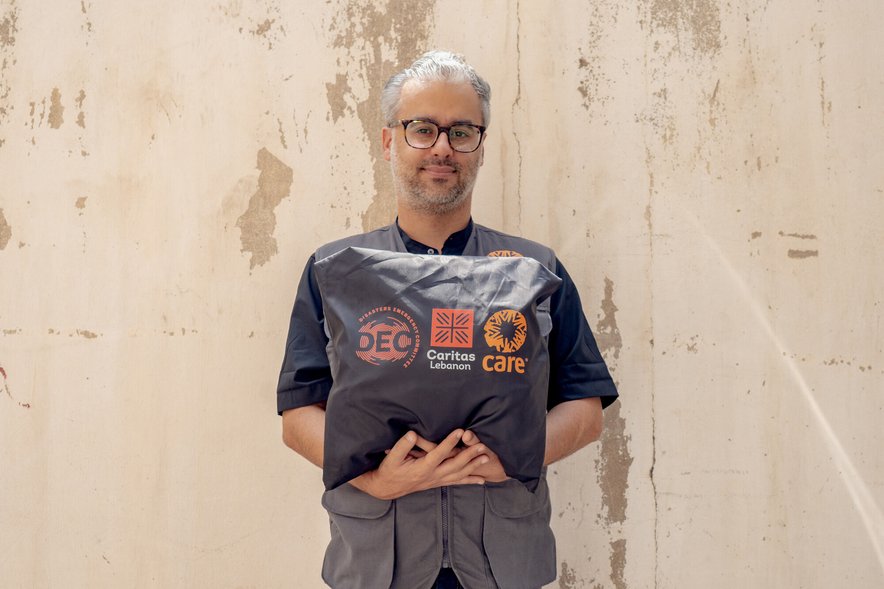
What stays with me most are the conversations I have with the people we support.
Behind every aid distribution are people with ambitions, responsibilities and hopes for the future. Parents tell me about the lives they want for their children. They talk about rebuilding their homes, returning to their villages and reconnecting with loved ones.
Even after everything they have experienced, they still have hope. That determination to continue with their lives moves me a lot and inspires me to keep going.
When I see children who are exhausted or families living with uncertainty, it stays with me long after I leave. Many people affected by conflict do not have a platform to share what they are going through. This is why I wake up every day with a sense of urgency. I want to make sure their voices are heard and their stories continue to exist.
Because the moment a story is shared, it becomes the story of the listener too. And together, we can make a difference."
How you can help people in Lebanon
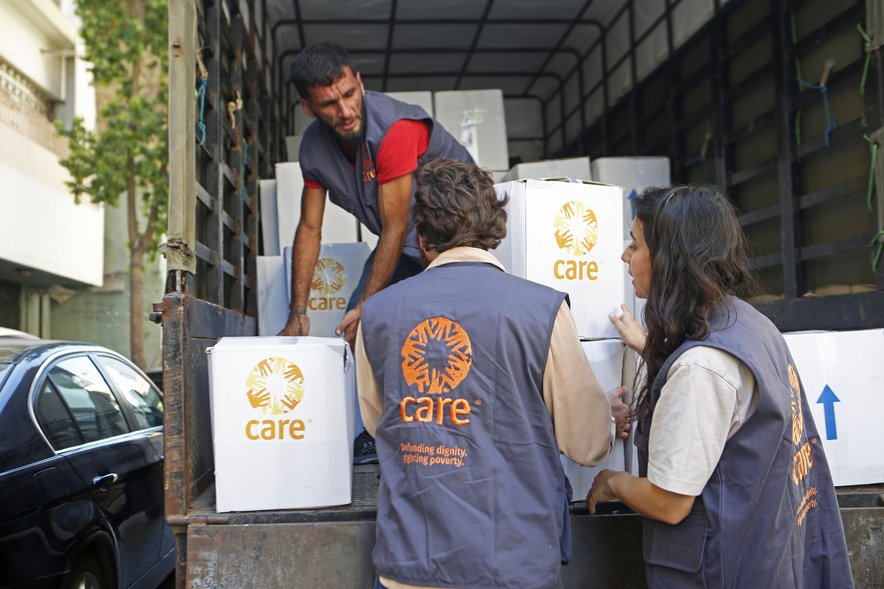
Right now, CARE in Lebanon is distributing essential supplies such as food, water, hygiene kits and medicine, and providing health services and shelter support to families who have been forced to flee their homes. Since the escalation of the conflict in March this year, we have reached over 115,000 people in Lebanon.
Please join thousands of people in the UK who are determined to help protect women and their communities from this horrific conflict and donate today.
- £20 could provide immediate nutritional needs for a mother and her baby.
- £50 could provide a month's worth of life-saving medication for two people forced to flee their homes.
- £100 could pay for 400 people to receive a day’s worth of safe drinking water.


