Around the world, climate-related hazards like droughts, floods and storms are on the rise. Often, the communities most vulnerable to the consequences of climate change are already facing extreme challenges like conflict and poverty.
But what if those communities could access the information and tools they need to better predict, prepare and respond to otherwise devastating extreme weather events?
CARE International UK’s Early Action Fund supports communities to do just this, by funding disaster preparedness and early action to climate hazards - before their most acute humanitarian consequences are felt.
This is called ‘early’ or ‘anticipatory’ action and is an effective way to reduce the impact of predictable climate-related shocks.
A key strength of the Early Action Fund is its ability to disburse funding within 72 hours of hazard triggers being met. This allows CARE country offices and partners to implement anticipatory actions when there is still time to protect lives, livelihoods, and assets.
-
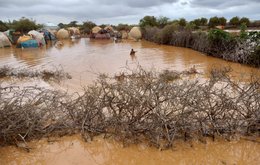
⚠️ ACTIVATION ALERT
LOCATION: DOLOW DISTRICT, SOMALIA
Dolow district in Somalia is a low-lying riverine area at severe risk of riverine and flash flooding driven by forecasted strong El Niño conditions. Funds have been released for the dissemination of flood advisory messages and the registration of vulnerable households for cash assistance.
-
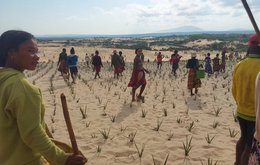
⚠️ ACTIVATION ALERT
LOCATION: ANOSY ANDROY, SOUTHERN MADAGASCAR
The Grand South of Madagascar is repeatedly affected by severe and prolonged droughts, likely to be worsened by El Niño. Funds have been released for unconditional cash transfers to vulnerable households and cash-for-work, focused on the rehabilitation of water harvesting structures and small irrigation systems.
-
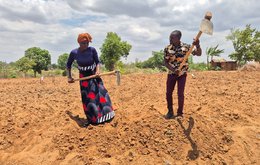
⚠️ ACTIVATION ALERT
LOCATION: PHALOMBE DISTRICT, MALAWI
In Malawi, El Niño is typically associated with below-average rainfall, prolonged dry spells and above-average temperatures. Funds have been released for the distribution of drought tolerant seeds, drought advisory messages and the registration of vulnerable households for cash assistance.


What's the purpose of the Early Action Fund?
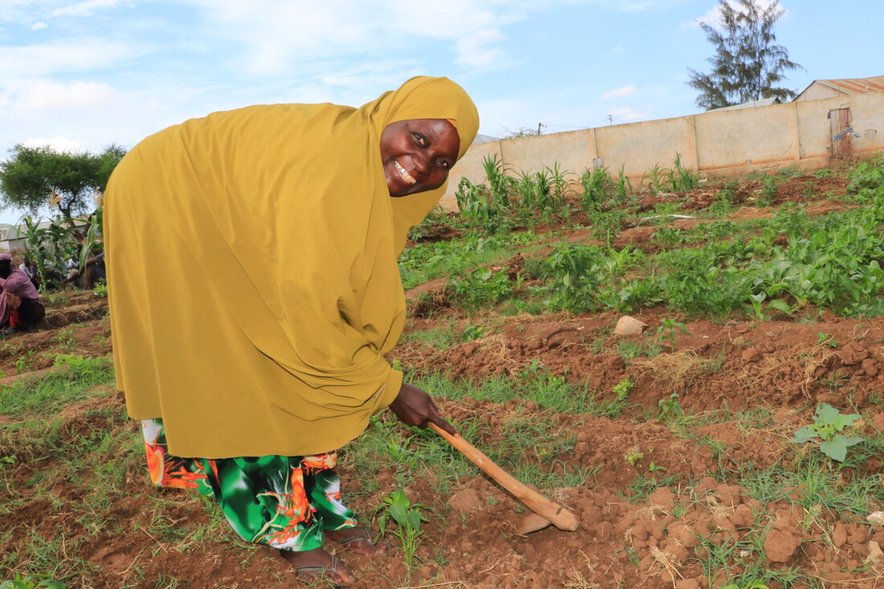
By acting before disaster strikes, the Early Action Fund aims to minimise the number of people losing their lives and reduce the severity and scale of climate-driven crises.
This approach not only saves lives but also minimises the knock-on effects, such as the loss of homes, harvests and jobs. This means communities that are vulnerable to recurring humanitarian emergencies can bounce back quicker from climate disasters, reducing the broader destabilisation they cause.
Early Action fund: Focus on women and girls
The Early Action Fund ensures activities align with CARE’s core values, putting women’s needs and participation front and centre in disaster preparedness and early action.
For instance, in Nepal, the Fund has supported over 1580 people - focusing on marginalised groups such as women and girls, Dalits, Madhesi, Tharu and Muslim communities - to take part in disaster planning. As a result, eight Community Disaster Management Committees have been launched, with task teams led by women to establish early warning and response plans, alongside the active inclusion of marginalised groups.
Meanwhile in Somalia, CARE Somalia has carried out a Rapid Gender Analysis to understand how drought affects women, men, girls and boys differently to ensure drought risk planning and response plans account for these needs. They are also driving community dialogues and workshops to help prevent violence against women and girls.
What is anticipatory action?
Examples of anticipatory action include:
- Drilling and rehabilitating boreholes to make sure people have access to safe and clean water supplies during droughts and after floods
- Mass media messaging on disaster risk reduction and disease outbreak prevention and management, to ensure communities have access to the most up-to-date information
- Ensuring livestock have access to clean water, protecting them from water shortages and water contamination, and community food and income security
- Establishing trigger systems that will activate when cholera cases are detected, helping to contain outbreaks and protect the wider community
The impact of anticipatory action globally
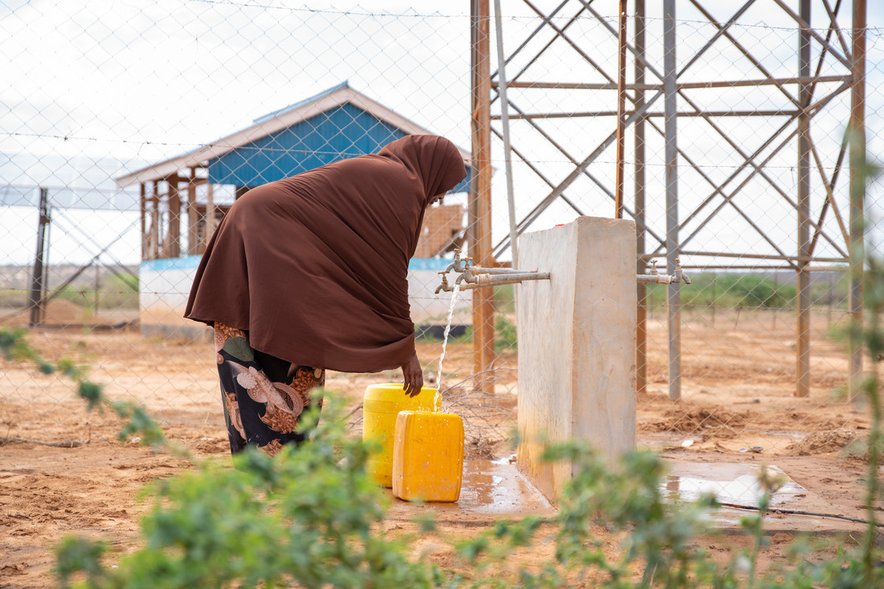
- More lives are saved: In Somalia, early warning systems and effective anticipatory action ahead of the El Niño-related floods in 2023 resulted in substantially fewer deaths than in previous events. There were approximately 118 deaths recorded in 2023, with 2300 deaths in a comparable event in 1997.
- Prevention is better than cure: Preventing a large cholera outbreak is ten times cheaper than responding to one. In Matare village, Zimbabwe – which is repeatedly impacted by drought and cholera – an Early Action Fund water scheme has transformed life for Mercy and her daughters. With the new water scheme in place, Matare village will have access to clean water as and when the next drought occurs.
- Women and girls are protected: Incorporating gender considerations into disaster response plans helps ensure women and girls are safer when disasters occur. In Somalia, women and girls who received cash assistance ahead of drought in 2021 used it to purchase medicine, school fees, sanitary items, food and transport to services and water sites. They reported less tension and violence at home as a result.
Since 2024, CARE offices in Bangladesh, Kenya, Madagascar, Malawi, Nepal, Philippines, Somalia, Syria, Timor Leste, Vanuatu, Vietnam and Zimbabwe have received funding through the Early Action Fund to support crisis planning. Early Action Fund projects are being carried out in collaboration with partner organisations and local communities, reaching over 190,000 people.
For more information on the Early Action Fund and how to get involved, please get in touch:
Early Action Fund: earlyactionfund@careinternational.onmicrosoft.com