
Last updated September 2026
What is the crisis in Yemen?
There is a civil war in Yemen which has now lasted more than 11 years, and the country is facing one of the world’s largest humanitarian crises. Around 22 million Yemenis need humanitarian assistance. 15 million of them are women and children.
Since early September 2026, Yemen has experienced a renewed escalation in conflict. This is creating a rapidly growing humanitarian emergency on top of what was already one of the world’s largest and most protracted crises.
The fallout from the conflict - including a devastated economy and a lack of functioning public services - creates new and spiralling crises every year related to hunger, health and displacement. People in Yemen also face disasters and climate-related events such as drought and flooding, which drive displacement and increase existing needs even further.
US $2.16 billion is needed to help meet basic humanitarian needs. However, there is a large funding gap. In 2025, the Humanitarian Response Plan received just 25% of the funding needed to meet basic humanitarian needs in the country. This shortfall in funding means millions of Yemenis continue to struggle to access food, water, education, healthcare and livelihoods.
A brief history of the conflict in Yemen
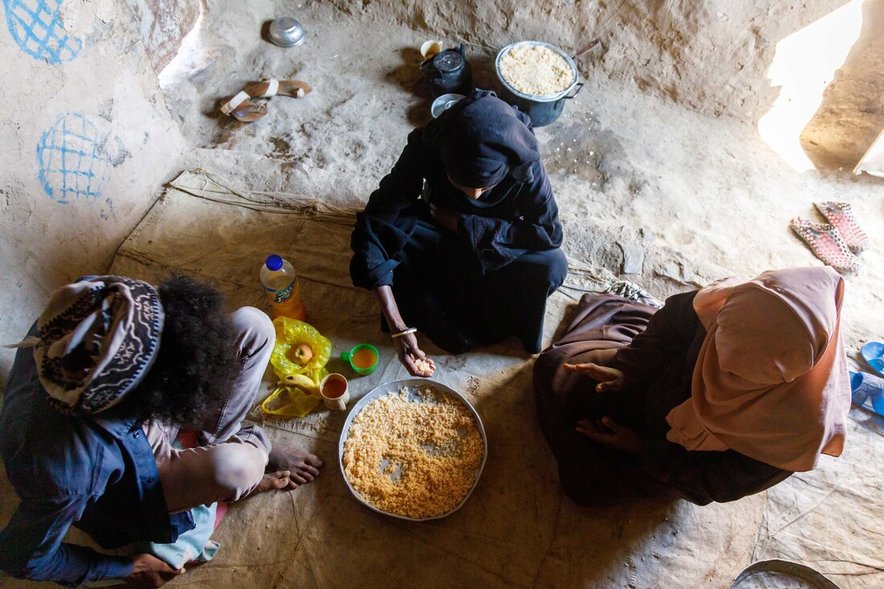
The conflict in Yemen began in 2014 when civil war broke out between Yemen’s government and the Houthi movement. The Houthi movement took control of Yemen’s capital in 2014 demanding lower fuel prices and a change in government.
A ceasefire was agreed in 2022. While this agreement only lasted 6 months, there hasn’t been a return to intensive fighting between the Houthi movement and the Internationally Recognised Government in the South, although there have been outbreaks of violence in other parts of the country.
However, essential services have continued to collapse and the economy has deteriorated, with many families forced into debt through high unemployment and non-payment of pubic-sector salaries.
What’s happening in Yemen now?
There has been a renewed escalation in conflict in Yemen since early September 2026. Women are fleeing active fighting while pregnant, breastfeeding or caring for children and older relatives, often with only the clothes they are wearing. Some are arriving without husbands or other male relatives, after long and exhausting journeys, in areas unprepared to meet their health, shelter and protection needs.
CARE colleagues and Yemeni partners have encountered pregnant women arriving weak and undernourished, mothers travelling with new-born babies when they should have been recovering after childbirth, and individual cases of women with serious pregnancy complications requiring urgent specialised care. Maternal healthcare is being squeezed as health facilities respond to casualties from the fighting. Comprehensive emergency obstetric and new-born care has been temporarily suspended at two hospitals, while facilities in Taiz and Lahj are not equipped to absorb the growing demand.
The situation for children is also desperate. A month ago, like children around the world, children in Yemen were preparing to return to school. Now thousands have been displaced again. In Taiz alone, almost 20,000 children have recently been displaced, with an estimated 7,977 displaced children now out of school. For adolescent girls in particular, each disruption increases the risk that they may never return.
CARE is calling for urgent additional funding to respond to the new displacement without taking resources away from Yemenis whose needs pre-date the escalation. Priorities include safe shelter, food, dignity kits, lockable and sex-segregated latrines, mobile health services, emergency maternal and new-born care, nutrition support and protection services.
The Yemen crisis in numbers
- In 2026, it is estimated that 22.3 million people, over 60 per cent of the population, will need lifesaving humanitarian assistance and protection services.
- 18.3 million people face acute food insecurity, while tens of thousands could fall into “catastrophic hunger".
- More than 2.2 million children under five are acutely malnourished, and 1.3 million pregnant and breastfeeding women are expected to be malnourished in 2026.
- Nearly one million women and girls have lost safe spaces and gender-based violence services in 2025.
What problems do people face in Yemen?
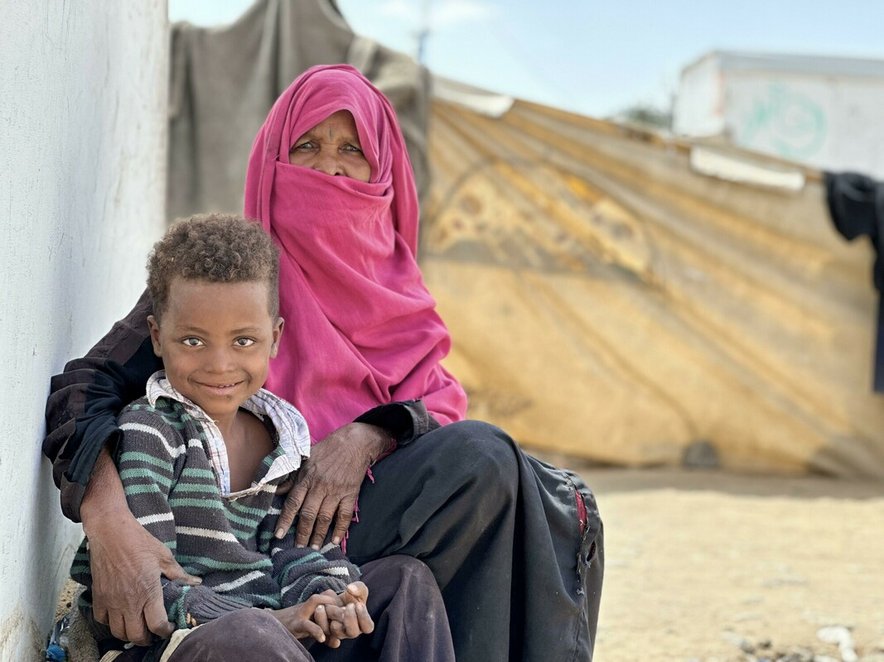
Civilians bear the brunt of the civil war, which has decimated public services and the economy. The population faces a wide range of challenges, including:
- Inflation: The cost of basic goods has skyrocketed, and necessities cost 117% more than they did in 2021.
- Food shortages: More than 18 million people - around half of Yemen’s population – are facing crisis levels of food insecurity.
- Climate change: The impacts of conflict are compounded by climate shocks like drought, heavy rains and storms.
- Healthcare: Health facilities have been destroyed across the country, and communities are particularly vulnerable to deadly outbreaks such as cholera.
- Maternal health: Among 9,402 displaced households assessed along the West Coast during the September 2026 escalation, almost one quarter included a pregnant woman and 26 per cent included breastfeeding women. Nearly 30 per cent had no lockable latrine, while 45 per cent were living in tents, makeshift shelters, abandoned buildings or in the open.
It is estimated that between 2015 and the beginning of 2022, 60 percent of the estimated 377,000 deaths resulting from the conflict in Yemen were indirect and caused by issues associated with conflict like lack of access to food, water, and healthcare.
How are women and girls impacted by the crisis in Yemen?
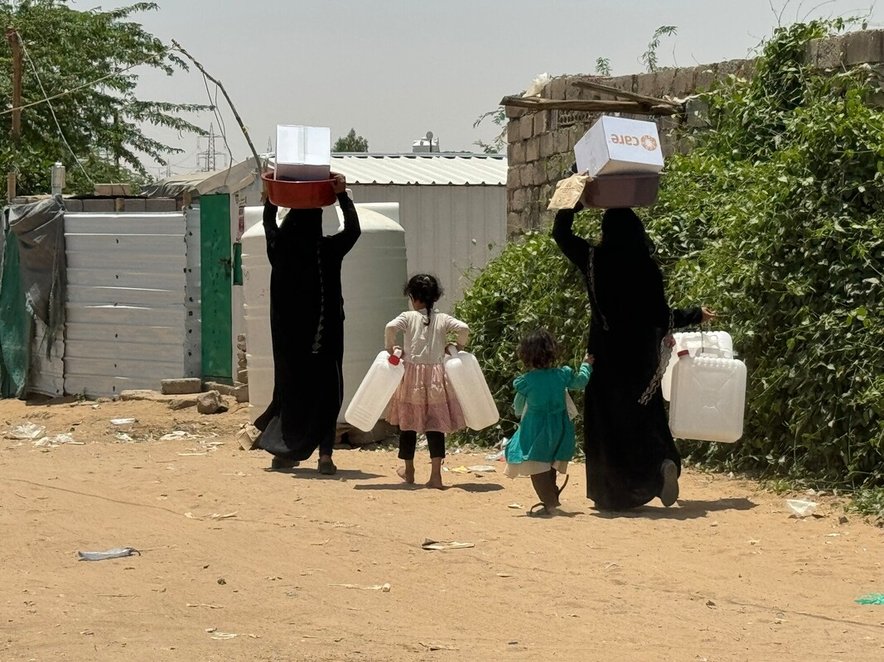
In 2025, an estimated 9.6 million women and girls in Yemen needed humanitarian assistance, facing increasing barriers to essential services such as maternal healthcare, clean water and psychosocial support. Damage to health facilities and critical infrastructure has left more than 400 pregnant and lactating women and 9,600 children without access to care.
Between January and May 2025, over 6,000 people were newly displaced, with 26% living in female-headed households. This adds to the 2.3 million women already living in displacement, many of whom face heightened risks, including loss of income, limited access to services and protection threats.
Women and girls are increasingly responsible for supporting their families while navigating deep-rooted inequality, restricted access to livelihoods and social barriers. Rising inflation and limited job opportunities mean many families cannot afford basic food, increasing risks of hunger, gender-based violence, exploitation and early marriage.
These challenges are compounded by severe funding shortfalls. Cuts to humanitarian programmes have forced the suspension of critical services, leaving nearly one million women and girls without access to safe spaces and psychosocial support.
How is CARE responding in Yemen?
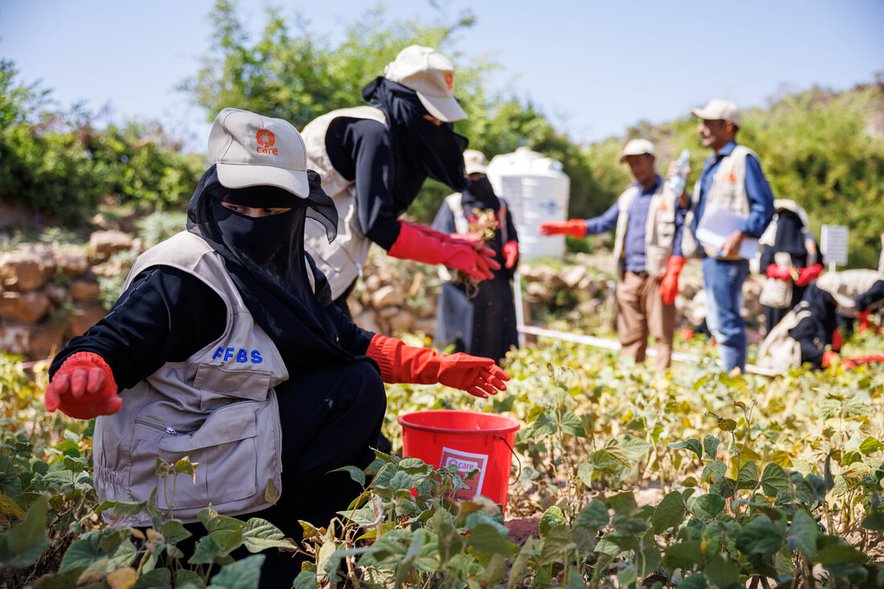
CARE is working to respond to the crisis by supporting Yemenis to strengthen their resilience and help ensure the voices of the most vulnerable are heard.
From July 2024 – June 2025, CARE International reached 2.1 million people in Yemen directly with life-saving assistance, including food and livelihoods support, cash assistance, gender-based violence and protection, and water and sanitation services.
CARE’s work in Yemen supports women and their families through:
Working with Women’s Rights Organisations (WROs) - through targeted funding and skills strengthening, CARE supports local WROs to engage with key stakeholders in the humanitarian system. This ensures that humanitarian efforts respond to the specific needs of women and girls, and that the needs of vulnerable communities are accounted for in decision-making.
- Supporting conflict-affected children into education: working with partners in Yemen to get up to 140,000 children from displaced and host communities into school, ensuring girls and marginalised groups have access to safe and inclusive learning environments.
- Access to finance: creating Village Saving and Loan Associations (VSLAS) – self-managed savings groups in which women can make financial decisions and invest in their own businesses.
- Access to food: providing access to sufficient nutritious food, including through cash assistance.
- Supporting income generation: assisting families to generate income through livelihood activities. This also helps to strengthen local markets for all community members.
- Tools and resources: providing people with seeds, tools, livestock and beehives to grow food, improve household resilience to crisis and enable more sustainable livelihoods.
Community action through BRIGHTLY
Through the BRIGHTLY project in Yemen, women like Fatima, Maryam and Nour have joined Village Savings and Loans Associations (VSLAs) and been able to invest their savings and obtain small loans.
As Nour explains, VSLAs can also be a platform for community action. "Our area suffers from isolation and lack of services. Children must travel long distances for food due to the absence of a grocery store."
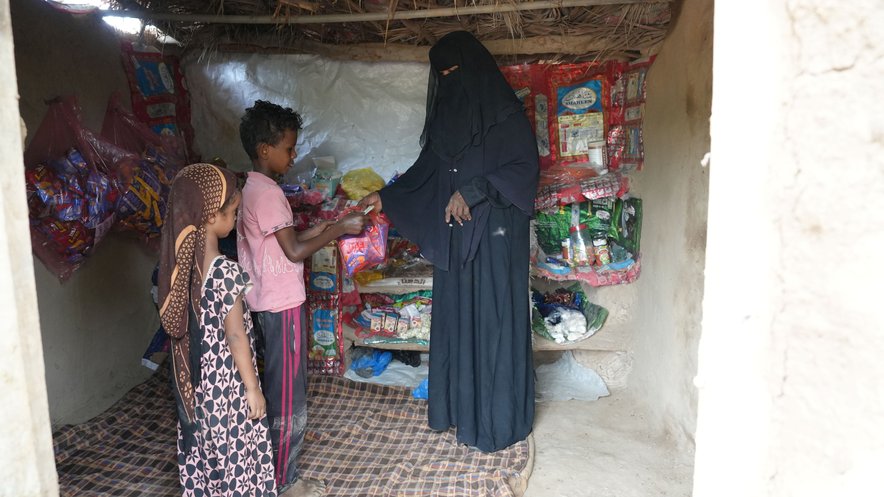
In response, Nour and other women from her village built a grocery store in just one week, using local materials purchased through a loan from the VSLA.
"Using mud and wood…(we) built a room to serve as a grocery store and were able to purchase goods and everything we needed through the loan."
The store now serves the entire village. Nour and the other VSLA members have improved their daily income and created a vital service for their community.
The BRIGHTLY project is led by CARE International UK and implemented in partnership with CARE International in Yemen, Norwegian Refugee Council, Save the Children International, Oxfam GB, and Yemen Family Care Association. The project team works alongside national and local implementing partners to deliver lifesaving assistance and longer-term support in Yemen.
How can I support people in Yemen?
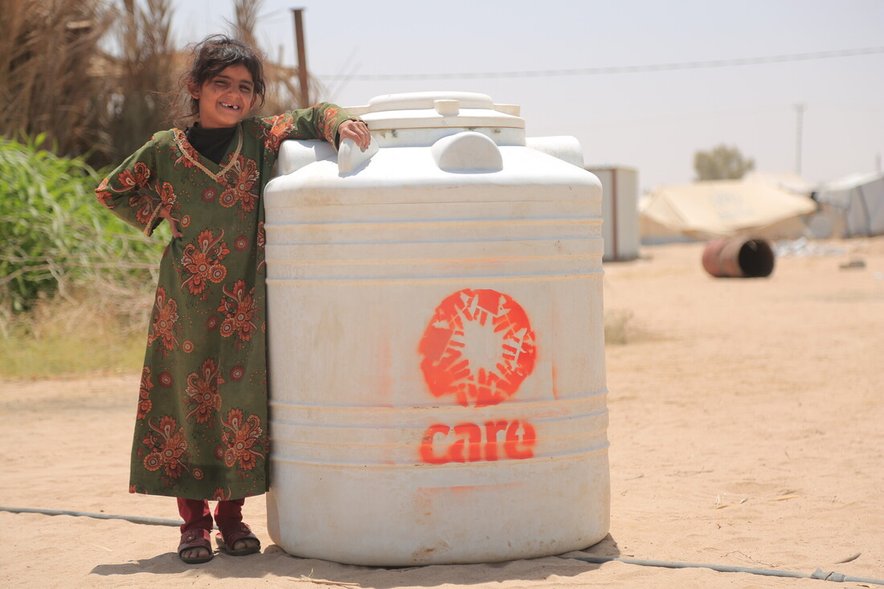
When you donate to CARE International UK you are supporting a global movement which is saving lives and defeating poverty every single day in the world’s most challenging situations. In Yemen. In Sudan. In Gaza. In over 120 countries across the globe where the need is greatest.
Your gift could help women rebuild their lives after crisis, support girls to go to school, or save lives wherever and whenever disaster strikes. With your help, we work with women around the world to transform lives and make change happen.